Devanahalli vs Whitefield 2026 — Which Is Better to Buy?
Published 25 Jun 2026 · Last updated 25 Jun 2026

The short answer is that neither location wins outright — the better buy depends on your budget, your workplace and how long you can wait. Whitefield in East Bengaluru is a mature IT hub with established schools, malls, hospitals and an operational metro, but it commands higher prices and heavy traffic. Devanahalli in North Bengaluru is an emerging corridor beside the airport and the Aerospace SEZ, with lower entry pricing and a longer growth horizon. This 2026 comparison weighs both on price, connectivity, jobs, social infrastructure and appreciation so you can match the location to your own plan.
Both areas are anchored by very different engines. Whitefield grew on two decades of IT investment and now feels like a finished city district. Devanahalli is being shaped by Kempegowda International Airport, the KIADB Aerospace Park and a growth corridor that still has open land to build on. That contrast — established and dense versus emerging and open — runs through every factor below.
Devanahalli vs Whitefield 2026 — Comparison Overview
| Factor | Devanahalli | Whitefield |
|---|---|---|
| Direction / zone | North Bengaluru, airport corridor (off NH-44) | East Bengaluru, established IT belt |
| Price band (₹/sq ft, indicative) | ~₹8,200–9,500 | ~₹9,000–14,000 |
| Key employment hubs | Airport, KIADB Aerospace Park & SEZ, business parks, logistics | ITPL, EPIP Zone, many tech parks |
| Connectivity | Airport, NH-44; airport metro line under construction | Purple Line metro operational; dense roads, heavy traffic |
| Social infrastructure | Growing — schools, hospitals and malls expanding | Mature — established malls, schools and hospitals |
| Rental demand | Emerging; aviation, aerospace and corridor staff | Strong; large existing IT workforce |
| Appreciation outlook | Longer-horizon; earlier in the cycle (indicative) | Steadier; much growth already realised (indicative) |
| Best for | Patient buyers, airport / aerospace jobs, lower entry price | End-users wanting ready infrastructure and IT job access now |
All price bands above are indicative for 2026 and vary by project, tower and micro-location. Verify current rates against recent registrations and developer quotes, and consult a qualified advisor before you commit.
Quick Verdict
If you want a home in a ready, job-dense neighbourhood and you can absorb a higher price, Whitefield is hard to beat today. If you can wait for a corridor to mature and you value a lower entry price, airport access and open land for new projects, Devanahalli has the longer runway. East Bengaluru is about buying into something built; North Bengaluru is about buying into something being built. The rest of this guide takes each factor in turn so you can see where each area leads.
1. Direction and Zone
Whitefield sits in East Bengaluru, a self-contained IT district that absorbed two decades of office and residential growth. It is dense, well-known and largely built out, with little open land left for fresh large-format projects. Devanahalli sits in North Bengaluru off NH-44, around the airport at Poojanahalli and the surrounding villages. It is lower-density, still developing, and has the land base for new gated communities and planned layouts. Your choice here is partly a lifestyle one: an established district with everything close, or an open corridor that trades some present-day convenience for room to grow.
2. Price Band
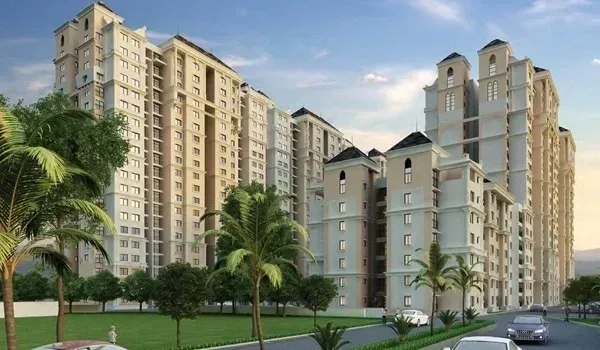
Price is the clearest gap. Indicative apartment rates in Devanahalli sit around ₹8,200–9,500 per square foot, while Whitefield typically runs higher, roughly ₹9,000–14,000 per square foot depending on the project, tower and exact pocket. A new launch such as Prestige Devanahalli by the Prestige Group starts at indicative base rates near ₹9,500 per square foot for a corridor-grade product, which keeps the entry ticket lower than a comparable mature-market home in Whitefield. The trade-off is that Whitefield's price reflects an established address, while Devanahalli's reflects a corridor still finding its level. Both bands are indicative only — verify current rates before you decide.
3. Key Employment Hubs
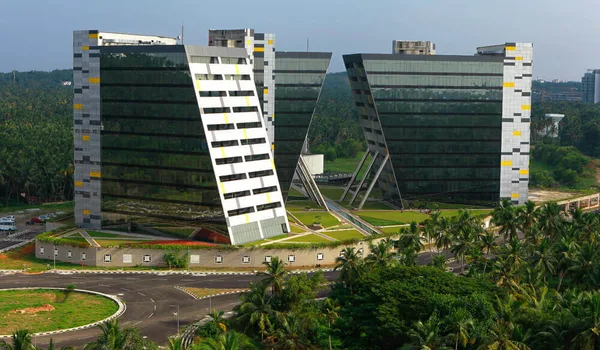
Whitefield's job base is deep and proven: ITPL, the EPIP Zone and a long list of technology parks employ a large IT workforce, and that concentration is exactly why the area filled in so quickly. Devanahalli's employment story is different in character — it centres on the airport, the KIADB Aerospace Park and SEZ, aerospace and defence suppliers, business parks and logistics, plus the jobs that cluster around an international airport. That base is smaller than Whitefield's today but is expanding, and it serves industries that benefit specifically from airport proximity. If your work is in IT and sits in the east, Whitefield keeps you close; if it is in aviation, aerospace, logistics or a North Bengaluru business park, Devanahalli does.
4. Connectivity
Whitefield is served by the operational Purple Line metro and a dense road grid, which is a real advantage for daily commuters — though the same density means heavy peak-hour traffic. Devanahalli is anchored by the airport and NH-44, one of the city's better arterial roads, with the airport metro line under construction to add rail access over the coming years. In present-day terms Whitefield has the edge on operational metro, while Devanahalli has the edge on airport proximity and on upcoming road and rail upgrades. A frequent flyer or someone who values a clear highway out of the city will weigh the airport corridor differently from a daily metro commuter.
5. Social Infrastructure
This is where maturity tells. Whitefield has established malls, international schools, large hospitals and a deep retail and dining scene built up over years. Devanahalli's social infrastructure is growing rather than complete — reputed schools, hospitals and retail are present along the corridor and expanding, but the choice is narrower than in an established district. For a family that wants everything within a few minutes today, Whitefield is more convenient. For a buyer comfortable with a developing neighbourhood that is filling in year on year, Devanahalli's gap is narrowing and is offset by lower prices and newer stock.
6. Rental Demand
Whitefield enjoys strong, steady rental demand from its large existing IT workforce, which supports occupancy and makes it a familiar choice for buy-to-let investors. Devanahalli's rental market is earlier-stage, driven by aviation and airport staff, aerospace and SEZ employees, and corridor workers, and it is set to deepen as more offices and amenities arrive. An investor wanting reliable tenancy from day one may favour Whitefield; one positioning ahead of a growth curve, accepting a thinner pool now for potential later, may favour Devanahalli. Treat any yield expectation as indicative and confirm it against actual local rentals.
7. Appreciation Outlook
Whitefield is a mature market where a large share of the growth has already been realised, so future appreciation tends to be steadier and more gradual — lower risk, but also a shorter runway from here. Devanahalli is earlier in its cycle, with open land and airport-led infrastructure still being built, which can offer a longer growth horizon and stronger upside if the corridor delivers. That potential comes with the higher uncertainty inherent to any emerging area: timelines can slip and outcomes are not guaranteed. Both outlooks are indicative; nothing here is a promise of returns, and a qualified advisor should review your specific case.
8. Who Should Pick Which?
Pick Whitefield if you work in East Bengaluru's IT belt, want ready social infrastructure and metro access today, and your budget supports a mature-market price. It rewards end-users who value convenience now over a long growth runway. Pick Devanahalli if you work near the airport, the Aerospace SEZ or a North Bengaluru business park, want a lower entry price, and can hold for a corridor to mature. It rewards patient buyers and investors positioning ahead of airport-led growth.
If Devanahalli fits your plan, a pre-launch home registered under K-RERA lets you enter the corridor at an early price. You can compare layouts on the floor plans and check budgets on the price list before you shortlist a project against Whitefield options.
Frequently Asked Questions
1. Is Devanahalli or Whitefield better to buy in 2026?
There is no single winner. Whitefield is a mature East Bengaluru IT hub with established malls, schools and an operational metro, but higher prices and heavy traffic. Devanahalli is an emerging North Bengaluru corridor beside the airport and Aerospace SEZ, with lower entry pricing and a longer growth horizon. Whitefield suits buyers wanting a ready, job-rich location now; Devanahalli suits buyers who can wait for an airport-led corridor to mature.
2. Is property cheaper in Devanahalli than Whitefield?
Generally yes. Indicative apartment rates in Devanahalli are around ₹8,200 to ₹9,500 per square foot, while Whitefield typically ranges higher, roughly ₹9,000 to ₹14,000 per square foot depending on the project and micro-location. Both bands are indicative only; verify current rates with developers and recent registrations before you decide.
3. Which area has better IT job access, Devanahalli or Whitefield?
Whitefield has more existing IT jobs today through ITPL, the EPIP Zone and many tech parks. Devanahalli's employment base centres on the airport, the KIADB Aerospace Park and SEZ, business parks and logistics, which is growing but smaller than Whitefield's established IT cluster.
4. Which location has better connectivity in 2026?
Whitefield is served by the operational Purple Line metro and a dense road network, though traffic is heavy. Devanahalli is anchored by Kempegowda International Airport and NH-44, with the airport metro line under construction. Whitefield has the edge on present-day metro access; Devanahalli has the edge on airport proximity and future road and rail upgrades.
5. Which area offers better appreciation potential?
Whitefield is a mature market where much of the growth has already happened, so appreciation tends to be steadier and slower. Devanahalli is earlier in its cycle with open land and airport-led infrastructure, which can offer a longer growth runway but with the higher uncertainty that comes with an emerging corridor. Treat all outlooks as indicative and consult a qualified advisor.
6. Should an end-user or an investor pick Devanahalli over Whitefield?
An end-user who works in East Bengaluru and wants ready social infrastructure may prefer Whitefield. An investor or a patient buyer working near the airport, the Aerospace SEZ or in aviation and logistics, who wants a lower entry price and a longer horizon, may prefer Devanahalli. Match the choice to your workplace, budget and timeline rather than to the area alone.
Conclusion
Devanahalli versus Whitefield is less a contest and more a choice between two stages of growth. Whitefield offers a finished East Bengaluru address — ready jobs, ready amenities, operational metro — at a higher price and with the traffic that density brings. Devanahalli offers a North Bengaluru corridor in the making, with a lower entry price, airport and aerospace jobs, open land and a longer horizon, in exchange for the patience an emerging area asks for.
Match the location to your own situation: your workplace, your budget and how long you can hold. If the airport corridor fits your plan, line up a Devanahalli project against your Whitefield shortlist and book a site visit to compare both in person before you decide.
Prestige Devanahalli Blog