Bangalore

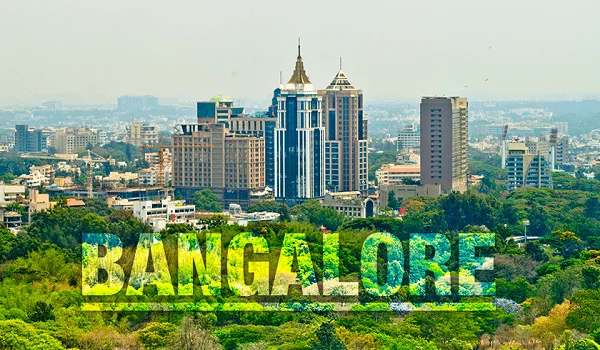
Featured Image of Bangalore


Bangalore is the capital of Karnataka. Its official name is Bengaluru. It is one of India’s biggest centres for IT, business, research and start-ups. The city stands on the Deccan Plateau at more than 900 metres above sea level. The official district website says Bangalore has more than 10 million people. Bengaluru Urban district recorded 9.62 million people in the 2011 census. In 2026, the Greater Bengaluru Authority oversees five city corporations.

The city also has a large transport and housing network. Namma Metro has 96.10 km of operational lines. Kempegowda International Airport handled 44.47 million passengers in FY 2025–26. Bangalore’s housing market also remained active in 2026. JLL reported that home prices rose 3.1% quarter on quarter in Q2 2026, while rents rose 2.5%. Growth is spread across Whitefield, Electronic City, Sarjapur Road, Mysore Road and the North Bangalore airport belt.

Bangalore at a Glance


Detail Information
Official Name Bengaluru
State Karnataka
Region South India
Elevation More than 900 m
Main Language Kannada
Civic Body Greater Bengaluru Authority
City Corporations 5
Metro Network 96.10 km operational
Airport Kempegowda International Airport
Airport Traffic FY26 44.47 million passengers

Where Is Bangalore?


Bangalore is in South India and is the capital of Karnataka. The city lies on the Deccan Plateau. Its high setting gives it milder weather than many large Indian cities

Bengaluru Urban district covers about 2,196 sq. km. It has five taluks: Bengaluru North, Bengaluru South, Bengaluru East, Yelahanka and Anekal. The city has grown far beyond its old centre.

MG Road, Shivajinagar and Richmond Town are central areas. Whitefield, KR Puram and Mahadevapura are major eastern areas. Jayanagar, JP Nagar and Electronic City are in South Bangalore. Hebbal, Yelahanka and Jakkur form key parts of North Bangalore. Devanahalli is the main airport growth belt outside the old urban core.

Bangalore or Bengaluru – Which Name Is Correct?


Both names refer to the same city. Bengaluru is the official name, while Bangalore is still widely used in speech, company names and online searches.

The Union government gave its no-objection for the change from Bangalore to Bengaluru in 2014. Government departments now use Bengaluru in official records.

For addresses and online searches, both forms remain common. This is why people still search for terms such as Bangalore airport, Bangalore Metro, Bangalore property rates and Bangalore weather.

Bangalore History


Modern Bangalore is closely linked to Kempe Gowda I. In 1537, he built a mud fort and laid the base for the city. He also built watchtowers around the early settlement.

The city later came under the Marathas, Mughals, Wadiyars of Mysore and the British. After Independence, Bangalore became the capital of Mysore State. It remained the capital when the state was renamed Karnataka.

The old city can still be seen through Lalbagh, Bull Temple, Tipu Sultan’s Summer Palace, Bangalore Palace and the Pete area. These places show how Bangalore grew from a small fort town into a large metro.

What Is Bangalore Famous For?


Bangalore is famous for IT, start-ups, research, gardens and education. It is often called the Silicon Valley of India because it has one of the country’s largest technology sectors.

The city is also strong in aerospace, biotechnology, electronics, engineering and design. Karnataka’s investment agency lists IT, aerospace and defence, biotech, automobiles, electronics and manufacturing among the major industries in Bengaluru Urban.

Research is another major strength. Bangalore has IISc, IIM Bangalore, IIIT Bangalore and many private and government research centres. Invest Karnataka says Bengaluru has a major share of India’s R&D talent and is one of the world’s important technology clusters.

Bangalore IT Parks and Job Hubs


Jobs are spread across many parts of Bangalore. Whitefield and ITPL form a major tech belt in the east. Outer Ring Road has large office zones around Mahadevapura, Bellandur and Marathahalli. Electronic City is one of the main work hubs in the south.

North Bangalore is also growing as a job zone. The airport belt supports aviation, aerospace, defence, logistics and electronics jobs. KIADB Aerospace Park and other industrial areas near Devanahalli are part of this shift.

Karnataka also has a large Global Capability Centre market. State technology programmes highlight Bengaluru as one of India’s main centres for GCCs, software, AI and other digital businesses

This spread of jobs has changed home buying. Many buyers now choose a home based on office route, Metro access and daily travel time. Distance from MG Road alone is no longer the main measure.

Bangalore Metro in 2026


Namma Metro is one of Bangalore’s main public transport systems. BMRCL says 96.10 km of Metro lines are operational in 2026.

The Purple Line connects Whitefield with central and west Bangalore. The Green Line serves the north-south route. Other routes are being added as the network grows.

The first 7.5 km elevated section of the Pink Line is moving towards final safety checks. Passenger service may start in October 2026 if the required safety approval is completed.

The Blue Line is also important. It will link Silk Board, Outer Ring Road, Hebbal and Kempegowda International Airport. About 72% of civil work was complete by September 2026. The Hebbal-airport section is now targeted for mid-2027, while the full line is expected by the end of 2027.

Bangalore Airport


Kempegowda International Airport is in Devanahalli, north of Bangalore. It began commercial operations in 2008 and has grown into one of India’s busiest airports.

The airport handled 44.47 million passengers in FY 2025–26. This included 37.24 million domestic passengers and 7.23 million international passengers. Cargo volume reached about 532,000 metric tonnes.

The two terminals can currently handle about 51.5 million passengers a year. Expansion plans aim to raise total terminal capacity to around 80 million passengers a year by 2030. The airport has also changed North Bangalore. Hebbal, Yelahanka, Bagalur and Devanahalli have seen more homes, offices, hotels and employment zones.

Bangalore Road and Rail Connectivity


Major road links include Outer Ring Road, NICE Road, Hosur Road, Mysore Road, Old Madras Road, Bellary Road and Tumakuru Road.

The Satellite Town Ring Road is important for the outer growth belt. It links areas around Devanahalli, Doddaballapur and Hoskote and helps outer-city traffic avoid some central routes.

Bengaluru Suburban Rail is another major transport project. The planned system covers about 148.17 km with 57 stations across four corridors. Work is at different stages. A ₹986 crore traction and power package for key corridors moved forward in September 2026.

Bangalore Weather


Bangalore is known for its mild climate. Its height above sea level is one reason. Summers can still be warm, but the city is often cooler than many lower inland and coastal cities.

The rainy season is mainly from June to September. Winter runs from around October to February and is usually pleasant. Karnataka Tourism lists winter as one of the better periods to visit Bengaluru.

Heavy rain can still cause local flooding in some low-lying parts of the city. Weather conditions also change from year to year.

Bangalore Property Market 2026


Bangalore is not one single property market. Rates change sharply by locality, project, builder, Metro access, road link and project age.

JLL reported that Bengaluru home prices rose 3.1% quarter on quarter in Q2 2026, while rents rose 2.5%. Housing demand in the quarter was about 17,000 units.

A September 2026 database covering 110 new projects placed the median asking rate near ₹10,200 per sq. ft. across Bangalore. This is only a market reference. It is not a fixed transaction rate for every locality.

Whitefield, Hebbal and other mature hubs can cost much more. Outer growth corridors can offer lower entry prices, but buyers should also check water, roads, legal papers and possession dates.

North Bangalore is getting more attention because of the airport, Blue Line, STRR and aerospace employment belt.

Best Areas in Bangalore for Homebuyers


The right area depends on work location, school needs and budget.

Whitefield suits many buyers who work in East Bangalore and want Purple Line access. Sarjapur Road and Bellandur work well for people employed around southeast Bangalore and Outer Ring Road. Electronic City serves a large south-side IT market.

Hebbal and Yelahanka are key residential areas in North Bangalore. Devanahalli suits buyers who want access to the airport and aerospace belt. Mysore Road and Kanakapura Road are also large housing corridors.

A buyer should test the daily route before booking. A short map distance can still mean a long drive during peak traffic.

North Bangalore and Devanahalli Growth


North Bangalore is one of the city’s main growth belts. Hebbal is the key city gateway. Yelahanka is an established residential area. Devanahalli is the main outer airport zone.

The airport supports jobs in aviation, cargo, aerospace, defence and logistics. KIADB Aerospace Park adds more employment to this belt. The Blue Line will also add a direct Metro link towards the airport once it opens.

Devanahalli has access to STRR as well. This road links the airport side with Doddaballapur, Hoskote and other outer areas. Large land parcels have also made this belt suitable for new gated communities.

Upcoming Prestige Apartment Project in North Bangalore


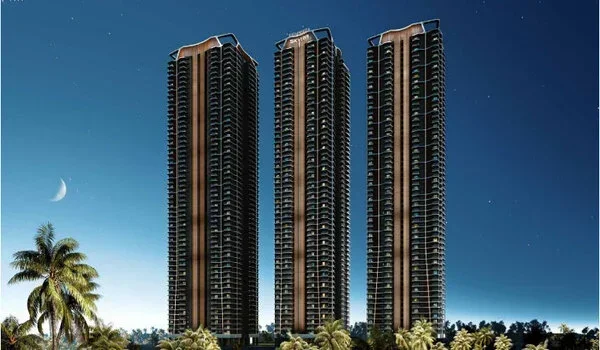
Prestige Devanahalli is an upcoming apartment project in the North Bangalore airport belt. It is planned at KIADB Aerospace Park Phase 2, Muddenahalli, Devanahalli. The project covers about 12 acres and has around 1,800 apartments across 6 high-rise towers.

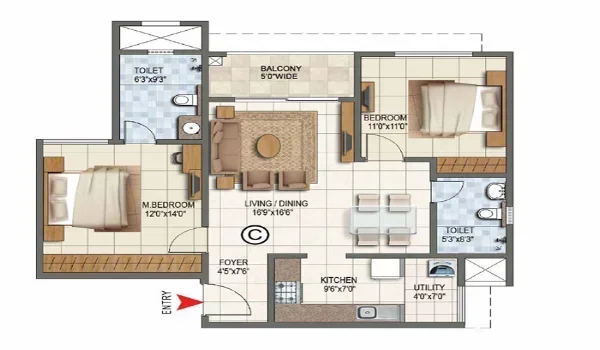
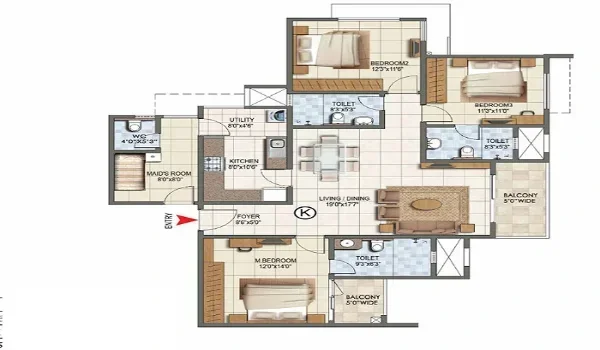
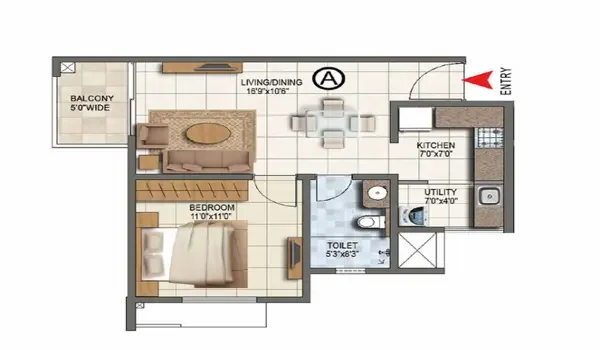
The current project plan includes 1, 2 and 3 BHK homes. Working sizes start from about 550 sq. ft. and extend to around 1,750 sq. ft. Prices start from about ₹70 lakh and can go up to around ₹2.2 crore for larger 3 BHK homes.

The site is about 2.5 km from STRR. Kempegowda International Airport is about 20 km away in the current project data. The project also sits within the wider KIADB Aerospace Park Phase 2 belt.

This location can suit buyers who work near the airport, aerospace park or other North Bangalore job zones. Someone working in Whitefield, Electronic City or central Bangalore should compare daily travel time before choosing.

Prestige Devanahalli also gives a different housing choice from plots and villas found across parts of the airport belt. It is planned as a gated high-rise community with a large clubhouse, open areas and shared facilities.

Bangalore Latest News and Updates 2026


Several large transport projects are moving forward in late September 2026.

The first 7.5 km stretch of the Pink Line is nearing the final safety stage. Service could begin in October if all required approvals are received.

The Blue Line is about 72% complete at the civil-work level. The Silk Board-KR Pura section is targeted for the end of 2026. The Hebbal-airport part is aimed at mid-2027.

Suburban Rail work is also moving ahead. The full project is planned across 148.17 km with 57 stations.

On 30 September 2026, Karnataka also notified future road corridors around Bengaluru’s outer growth areas. The plan is meant to reserve space for roads before new construction blocks future links.

Is Bangalore a Good Place to Live?


Bangalore has a large job market. It also has many schools, hospitals, colleges, malls and leisure options. Metro access is also getting better.

The main problems are traffic, high home prices in mature areas, water stress in some zones and long travel times. These issues vary a lot by locality.

For many buyers, the best home is one close to work and school. A famous address may not help if the daily trip takes too long.

FAQs


1. What is Bangalore called now?

The official name is Bengaluru. Bangalore is still widely used.

2. Which state is Bangalore in?

Bangalore is the capital of Karnataka.

3. What is Bangalore famous for?

Bangalore is famous for IT, start-ups, research, aerospace, gardens and education.

4. Which district is Bangalore in?

Most of the main city lies in Bengaluru Urban district. The wider metro growth region also reaches nearby districts.

5. Does Bangalore have one PIN code?

No. Bangalore has many PIN codes. Most city PIN codes begin with 560. India Post lists different codes for each locality.

6. Does Bangalore have Metro service?

Yes. Namma Metro has 96.10 km of operational lines in 2026.

7. Where is Bangalore Airport?

Kempegowda International Airport is in Devanahalli, north of Bangalore.

8. How many passengers use Bangalore Airport?

The airport handled 44.47 million passengers in FY 2025–26.

9. What is the average property rate in Bangalore?

A September 2026 new-project database placed the city median asking rate near ₹10,200 per sq. ft. Actual rates vary widely by area and project.

10. Which parts of Bangalore are growing?

East and North Bangalore remain major growth belts. North Bangalore is seeing strong growth around the airport, STRR and aerospace areas.

11. Is Devanahalli part of Bangalore?

Devanahalli is in the wider North Bangalore airport region. It sits outside the old urban core but has strong road and airport links to Bengaluru.

12. What is Prestige Devanahalli?

Prestige Devanahalli is an upcoming 12-acre apartment project at KIADB Aerospace Park Phase 2, Muddenahalli. It has around 1,800 planned homes in 1, 2 and 3 BHK layouts.

Enquiry
Enquire Now