Commercial Real Estate near Devanahalli 2026
Published 26 Jun 2026 · Last updated 26 Jun 2026
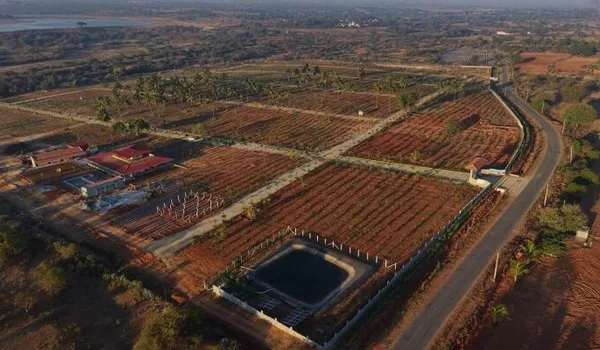
Most homebuyers along the Devanahalli corridor are not buying offices or warehouses — they are buying apartments. Yet the commercial story behind the area matters, because offices, factories, logistics yards and hotels are what bring jobs, tenants and footfall to North Bengaluru. This 2026 guide explains the commercial real estate around Devanahalli — what is driving demand, which asset types are active, and how that backdrop supports the residential value buyers actually care about.
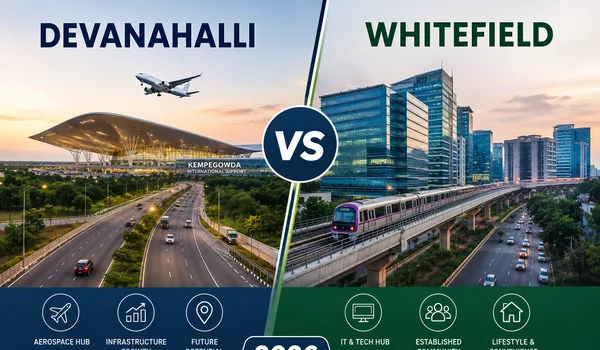
Devanahalli sits along NH-44 (Bellary Road) beside Kempegowda International Airport. The airport is the anchor: around it sit the KIADB Aerospace Park and Special Economic Zone, the proposed Bengaluru Airport City, the KIADB Hardware Park and a growing cluster of hotels. Each of these generates a different kind of commercial demand, and together they explain why the corridor has shifted from farmland to one of the city's watched growth fronts.
Why Devanahalli Is a Commercial Corridor
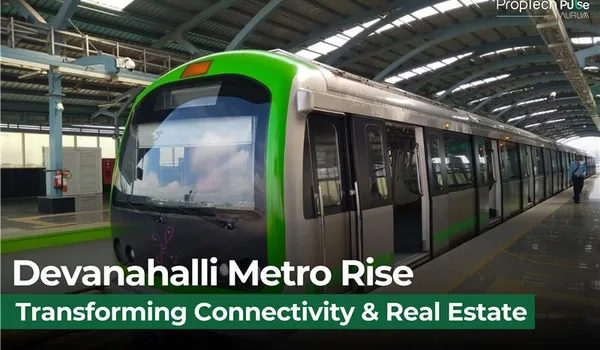
Commercial property follows two things: access and employers. Devanahalli has both. The airport gives the corridor national and international connectivity, NH-44 and the Outer Ring Road feed traffic in and out, and the planned metro and ring-road links are set to improve access further. Employers have followed, anchored by aerospace and defence manufacturing in the KIADB zone and by the cargo and aviation economy at the airport itself.
For a residential buyer, this is the part that matters most. A suburb with real local employment behind it tends to hold tenants and resale interest better than one that depends only on a distant business district. The commercial activity here is not a guarantee of returns, but it is a healthier base than speculation alone.
Commercial Asset Types near Devanahalli — 2026 Snapshot
| Asset Type | Main Demand Driver | Indicative Status (2026) |
|---|---|---|
| Office / SEZ space | KIADB Aerospace Park & SEZ, aviation economy | Active, expanding |
| Business-district office | Bengaluru Airport City (planned) | Early-stage / under development |
| Industrial / manufacturing | KIADB Hardware Park, aerospace supply chain | Established, adding units |
| Warehousing / logistics | Airport cargo, NH-44, e-commerce | Strong demand |
| Hotels / hospitality | Airport traffic, business & transit travel | Established, growing |
| Retail / high street | Residential catchment, hotels, malls nearby | Emerging |
The status column is an indicative read of activity, not a valuation. Plot-level facts, occupancy and pricing change quickly on a corridor like this, so confirm the current position of any specific scheme with the relevant authority or a commercial advisor before acting on it.
Office and SEZ Space — the Aerospace Engine
The KIADB Aerospace Park and the adjoining Special Economic Zone are the clearest commercial anchor near Devanahalli. The zone was set up to host aerospace, defence and precision-manufacturing units close to the airport, and it has drawn well-known names in aviation and engineering over the years. For office and industrial demand, this cluster is the single biggest reason employers locate in the area rather than elsewhere in the city.
- What it is: a planned KIADB industrial and SEZ zone focused on aerospace, defence and allied manufacturing.
- Why it matters: it puts skilled jobs within a short drive of the corridor, which supports nearby housing demand.
- For buyers: employment density near a home tends to support both rental interest and resale.
Bottom line: the Aerospace Park and SEZ are the corridor's job engine, and the main factual reason commercial activity clusters here.
Bengaluru Airport City — the Planned Business District
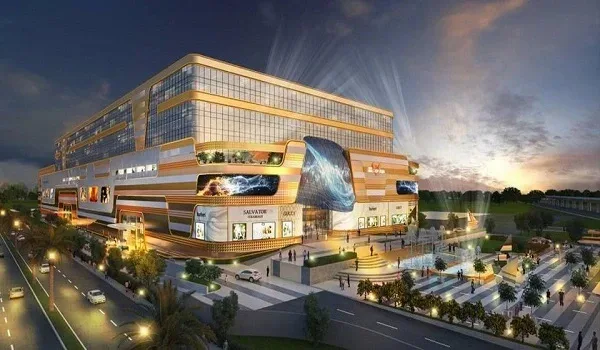
Bengaluru Airport City is a planned mixed-use business district on land next to Kempegowda International Airport. As proposed, it is intended to bring together office, retail, hospitality and convention space in one master-planned precinct, in the way several global airports have built commercial districts at their gates. It is an under-development story rather than a finished one, so timelines and scope should be confirmed through the airport operator before anyone leans on them.
- Concept: an airport-adjacent district combining offices, retail and hotels.
- Stage: planned and being developed in phases; confirm the latest position before relying on it.
- Relevance: if it matures, it adds a second major commercial node to the corridor beyond the SEZ.
Bottom line: a promising long-term commercial node, best treated as an upside, not a certainty, at this stage.
Industrial Land and the KIADB Hardware Park
Beyond aerospace, the broader KIADB Hardware Park and industrial belt in the north add electronics, hardware and light-manufacturing demand to the corridor. These estates draw their own workforce and supplier networks, widening the base of local employment beyond a single sector. For commercial real estate, industrial land remains one of the steadier segments here because it is tied to physical production rather than market sentiment alone.
For a homebuyer, the takeaway is diversification: a corridor backed by aerospace, hardware, logistics and aviation has more than one leg to stand on. That spread of employers is part of why the area is taken seriously as a long-horizon residential bet.
Warehousing and Logistics — Riding the Airport Cargo
Warehousing and logistics is one of the more active commercial segments on the NH-44 belt. The airport handles a large share of the region's air cargo, e-commerce players need fulfilment space near fast transport links, and the highway makes the corridor a natural location for distribution. The result is steady demand for warehouses, cold storage and grade-A logistics parks across the northern fringe.
- Drivers: air cargo, e-commerce fulfilment, highway access and the hardware supply chain.
- Character: large-format, land-hungry assets that sit on the outer edge of the corridor.
- For residents: logistics jobs add to the employment base, though heavy-vehicle routes are worth checking near any home.
Bottom line: logistics is a quietly strong driver here, anchored by cargo and the highway rather than by office fashion.
Hotels and Hospitality
Hospitality is a visible part of the commercial mix near the airport. Business travellers, transit passengers and event visitors all need rooms close to the terminal, and the corridor has built up a range of hotels and serviced stays to match. As Airport City and the SEZ grow, demand for meeting space, dining and conferencing is likely to rise alongside the rooms.
For homebuyers, the hospitality cluster matters in two ways: it employs a service workforce that needs nearby housing, and it brings dining and retail that residents use too. A corridor with hotels and visitors tends to develop everyday amenities faster than a purely residential one.
How the Commercial Backdrop Supports Residential Buyers
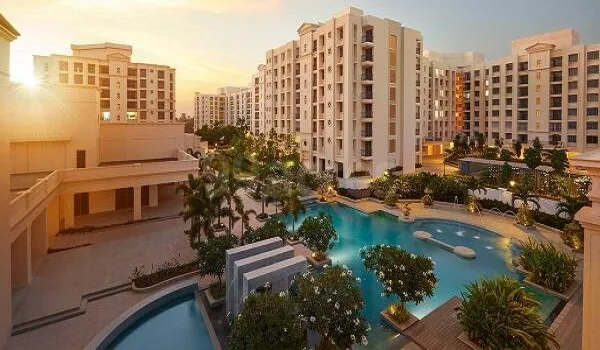
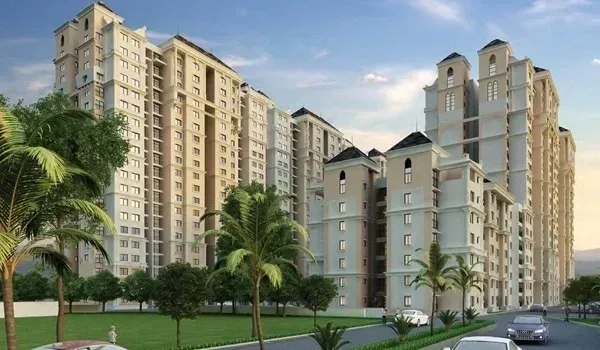
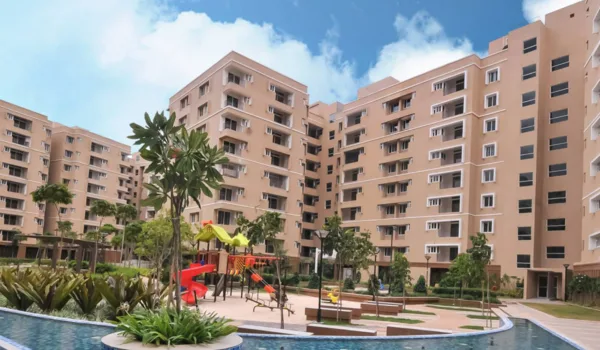
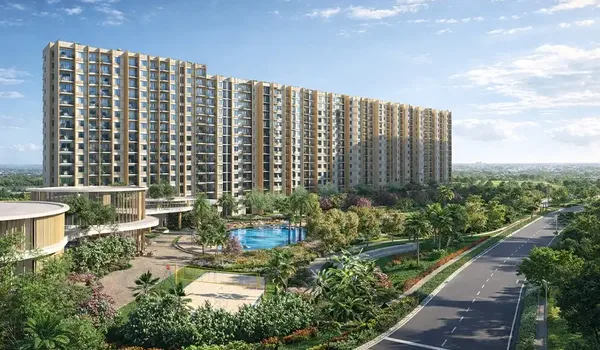
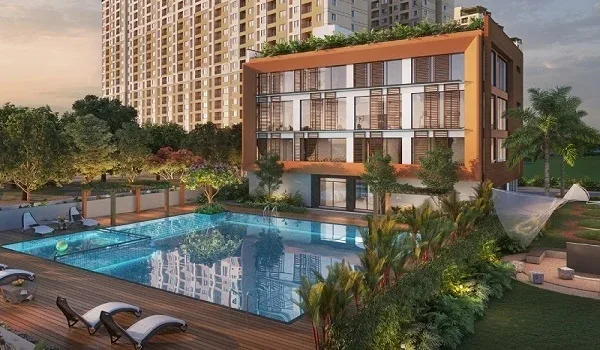
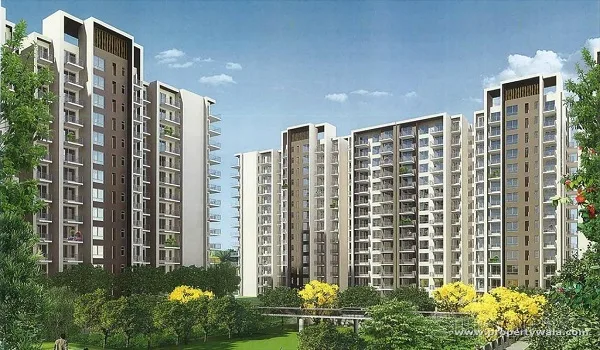
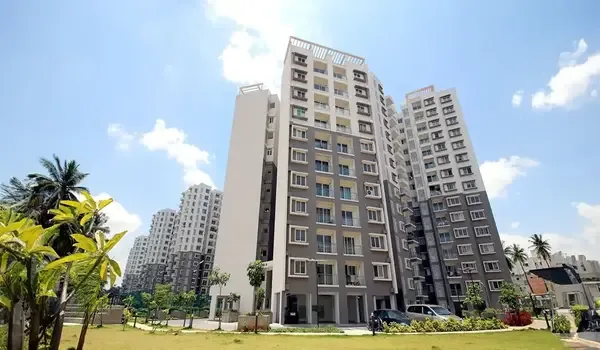
Here is the honest framing, because it is the whole point of this page: the commercial story is the backdrop, and the home is the asset. Prestige Devanahalli, a pre-launch residential development by Prestige Group at Poojanahalli, offers 1, 2 and 3 BHK apartments — not offices, shops or warehouses. You cannot buy commercial space in the project. What the commercial corridor does is support the residential case around it: jobs from the SEZ, logistics and hotels create tenants and end-users, which in turn underpins rental demand and long-term value for apartments nearby.
That support is real but it is not a promise. Commercial development can run ahead of or behind schedule, and a buyer should treat any price expectation as indicative and confirm the project's approvals on the K-RERA portal before committing. Used properly, the commercial backdrop is a reason to take the corridor seriously, not a substitute for checking the home itself.
If you want to weigh the residential side against this commercial growth, review the price list and the floor plans to see which configuration and budget fit your plan for the airport belt.
Frequently Asked Questions
1. What drives commercial real estate near Devanahalli?
Commercial demand near Devanahalli is driven by the KIADB Aerospace Park and SEZ, the planned Bengaluru Airport City next to Kempegowda International Airport, the KIADB Hardware Park, airport cargo and a growing cluster of hotels. Together these create office, retail, warehousing and hospitality demand along the NH-44 airport corridor.
2. Can I buy commercial property in Prestige Devanahalli?
No. Prestige Devanahalli is a residential project offering 1, 2 and 3 BHK apartments at Poojanahalli. The commercial activity nearby is the backdrop that supports residential demand and value; it is not part of the apartment project itself.
3. Is the KIADB Aerospace Park and SEZ operational?
The KIADB Aerospace Park and the adjoining Special Economic Zone near Devanahalli host aerospace, defence and manufacturing units and continue to add tenants. Confirm the current status of any specific plot or unit with KIADB or the relevant authority before relying on it.
4. What is Bengaluru Airport City?
Bengaluru Airport City is a planned mixed-use business district being developed on land next to Kempegowda International Airport, intended to include office, retail, hospitality and convention space. Confirm scope and timelines through the airport operator before making decisions.
5. Does commercial growth help residential buyers near Devanahalli?
Yes, indirectly. Offices, the SEZ, warehousing and hotels bring jobs and visitors to the corridor, which supports rental demand and long-term value for nearby apartments such as Prestige Devanahalli. It is a supporting factor, not a guarantee of returns.
6. Is warehousing demand strong near Devanahalli?
Warehousing and logistics demand along the NH-44 belt is supported by airport cargo, e-commerce fulfilment and the hardware park. It is one of the more active commercial segments on the corridor, though absorption varies by location and asset quality.
Conclusion
The commercial real estate around Devanahalli — the Aerospace Park and SEZ, the planned Airport City, the hardware park, logistics yards and hotels — is the engine that makes the airport corridor more than a dormitory suburb. It brings jobs, footfall and a spread of employers that a purely residential pocket would lack, and that is the genuine reason the area is on so many 2026 watch-lists.
For a buyer, keep the framing honest: this backdrop supports residential value, but the home is the asset you actually purchase. Use the commercial story to judge whether the corridor has staying power, then choose a residential project on its own merits — book a site visit, check the approvals and confirm prices before you decide.
Prestige Devanahalli Blog