Home Loan Guide for Apartments in Devanahalli 2026
Published 26 Jun 2026 · Last updated 26 Jun 2026
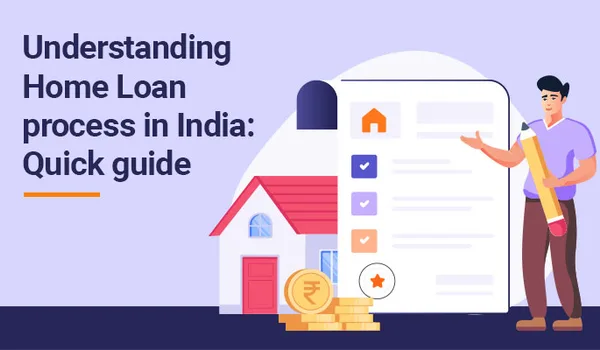
For most buyers, a home loan turns an apartment along the Devanahalli corridor in North Bengaluru from a wish into a plan. This 2026 guide walks through the parts that matter most — eligibility, how much a bank funds, tenure and EMI, fixed versus floating rates, the documents you need, and how disbursement works for a pre-launch home. The aim is to help you budget honestly before you sign, so the loan fits your income rather than stretching it.
Treat every figure here as indicative. Interest rates, processing fees and eligibility rules change with the market and differ from one lender to the next, so use this as a framework and confirm current rates with your bank or a loan advisor before you apply.
How a Home Loan Works in Devanahalli
A home loan funds part of the apartment cost; you fund the rest as a down payment, then repay the loan with interest over a fixed tenure through monthly EMIs. The bank checks two things before sanctioning: whether you can repay (your income, age and existing debts) and whether the property is sound (clear title, approvals and builder track record). On the airport belt, where many homes are new launches by names such as Prestige Group, lenders also weigh the project stage when they structure the loan.
Before you shortlist a project, it helps to know roughly what you qualify for. A simple eligibility check with two or three lenders gives you a realistic budget and avoids falling for a home you cannot comfortably finance.
Home Loan Snapshot 2026 — Typical Ranges
The table below sets out the parts of a home loan and the typical ranges buyers see in 2026. These are general market figures, not an offer; your actual terms depend on your profile and the lender.
| Factor | Typical Range / Position (Indicative) |
|---|---|
| Loan-to-Value (LTV) | ~75–90% of property value |
| Down payment | ~10–25% of agreement value |
| Tenure | ~10–30 years |
| Interest rate type | Fixed or floating (floating is common) |
| EMI as share of income | Usually capped near ~40–50% of net income |
| Processing fee | ~0.25–1% of loan (varies by lender) |
| Credit score preferred | ~750+ for the best rates |
| Stamp duty & registration | Extra cost, usually not financed |
Bottom line: use these ranges to size your budget, then confirm the exact numbers with your bank or a loan advisor, because each lender prices a little differently.
1. Home Loan Eligibility
Eligibility is the bank's answer to one question: can you repay this loan on time? Lenders look at your net monthly income, your age and remaining working years, your job stability or business vintage, and any EMIs you already pay. Most cap your total EMIs at roughly 40 to 50 percent of net income, so a high existing loan reduces what you can borrow for a home.
- Income & stability: salaried buyers show salary slips and bank credits; the self-employed show ITRs and business accounts.
- Credit score: a score around 750 or above usually unlocks the best rates and a smoother sanction.
- Existing EMIs: car loans, personal loans and card dues all cut into the EMI you can support.
- Co-applicant: adding a working spouse can raise eligibility and, for women co-owners, may help on some charges.
Bottom line: clear small debts and check your credit report before you apply, then confirm your eligibility figure with your bank or a loan advisor.
2. Loan-to-Value (LTV) and Down Payment
Loan-to-value is the share of the property value a bank will lend. In 2026 most lenders fund around 75 to 90 percent, so you arrange the remaining 10 to 25 percent as a down payment from your own savings. On a 1 BHK on this corridor from about ₹61.75 L, that down payment is a meaningful sum, and it sits on top of stamp duty and registration, which the loan usually does not cover.
A larger down payment means a smaller loan, a lower EMI and less interest paid over the years. A smaller down payment keeps more cash in hand but raises the EMI. Pick the balance that leaves you a comfortable buffer rather than draining every rupee of savings.
Bottom line: budget the down payment and the extra charges together, and confirm the LTV your lender offers on your chosen project.
3. Tenure and EMI
Tenure is how long you take to repay, typically 10 to 30 years. A longer tenure lowers the monthly EMI but increases total interest; a shorter tenure raises the EMI but costs less overall. Younger buyers often take a longer tenure for an easier EMI and prepay later as income grows.
- Longer tenure: lower EMI, higher total interest, easier monthly cash flow.
- Shorter tenure: higher EMI, lower total interest, faster ownership.
- Prepayment: floating-rate home loans usually allow part-prepayment without penalty, which cuts interest sharply when done early.
Bottom line: choose a tenure whose EMI you can pay comfortably even in a tight month, and confirm prepayment terms with your bank or a loan advisor.
4. Fixed vs Floating Interest Rate
A floating rate moves with the lender's benchmark, so your EMI or tenure changes as rates rise or fall. A fixed rate stays constant for a set period, giving predictable EMIs but often a slightly higher starting rate. For a long home loan, many buyers pick floating for its flexibility and easier prepayment, while some prefer fixed for the certainty of a steady outgo.
- Floating: lower entry rate, benefits if rates fall, easy part-prepayment — but EMIs can rise.
- Fixed: predictable EMI for the fixed term, helpful for tight budgeting — but usually priced higher.
Bottom line: match the rate type to your comfort with EMI changes, and confirm current rates and reset terms with your bank or a loan advisor.
5. Documents Required
A clean document file speeds up sanction. Banks ask for proof of who you are, what you earn and what you are buying. Keep these ready before you apply.
- Identity & address: PAN, Aadhaar, passport or voter ID, and a recent utility bill.
- Income (salaried): recent salary slips, Form 16 and six months of bank statements.
- Income (self-employed): ITRs for the last two to three years, business proof and account statements.
- Property papers: the builder agreement, allotment letter, approved plan and the project's RERA details.
For any new project, verify the registration on the K-RERA portal as the application progresses, since lenders and buyers both rely on it for title and approval comfort.
Bottom line: a complete, honest file avoids back-and-forth and helps the bank sanction faster.
6. Pre-Launch vs Ready Disbursement
How the bank releases the money depends on the project stage. For a ready apartment, the lender disburses the full loan in one go at registration, and your full EMI starts immediately. For a pre-launch or under-construction home, the bank uses construction-linked disbursement, releasing the loan in stages as the builder completes each phase.
During construction you typically pay pre-EMI — interest only on the amount released so far — until the loan is fully disbursed, after which the regular EMI begins. A pre-launch project such as Prestige Devanahalli at Poojanahalli, with possession from Dec 2030, would use this staged approach, so plan your cash flow for pre-EMI alongside any rent you still pay.
- Ready home: full disbursement at registration, full EMI from month one.
- Pre-launch / under construction: staged disbursement, pre-EMI during the build, full EMI after handover.
You can match a layout and budget to this plan by reviewing the Prestige Devanahalli floor plans and the price list before you approach a lender.
Bottom line: for a pre-launch buy, build pre-EMI into your monthly budget and confirm the disbursement schedule with your bank.
PMAY and Extra Costs to Budget
Some buyers may be eligible for benefits under a central housing scheme such as the Pradhan Mantri Awas Yojana (PMAY), which has offered interest subsidies for eligible first-time buyers within defined income and area limits. Rules and availability change over time, so do not assume it applies — check the latest criteria and confirm eligibility with your bank or a loan advisor.
Beyond the down payment and EMI, remember the costs a loan usually does not fund. Stamp duty and registration are charged by the Government of Karnataka over and above the price, and GST may apply on an under-construction home. Together these are a real share of the buy, so budget them early.
- Stamp duty & registration: a state charge on the property, paid from your own funds.
- GST: may apply on under-construction apartments — confirm the current rate.
- Processing & legal fees: bank charges, valuation and documentation costs.
Bottom line: add these to the down payment when you set your budget, and confirm exact charges with the sub-registrar, a lawyer or your bank.
Lenders for Devanahalli Apartments
Most major banks and housing finance companies fund apartments on the Devanahalli corridor. Commonly used lenders include SBI, HDFC, ICICI, LIC Housing Finance and Axis Bank, among others. Each prices rates, processing fees and eligibility a little differently, and offers shift through the year, so compare two or three before you commit.
- Compare the full cost: look at the rate, processing fee and any prepayment terms together, not the headline rate alone.
- Check project approval: some lenders pre-approve specific projects, which can speed up your sanction.
- Read the reset terms: on floating loans, understand how and when your rate can change.
Bottom line: shortlist on total cost and service, and confirm current rates with your bank or a loan advisor before you sign.
Frequently Asked Questions
1. How much home loan can I get for an apartment in Devanahalli?
Lenders typically fund about 75 to 90 percent of the property value (the loan-to-value ratio), so you arrange the balance as down payment. The exact amount also depends on your income, age, existing EMIs and credit score, since most banks cap total EMIs near 40 to 50 percent of net monthly income. Confirm your sanctioned amount with your bank or a loan advisor.
2. What is the typical down payment for a Devanahalli apartment?
Plan for roughly 10 to 25 percent of the agreement value as down payment, since lenders fund the rest within the loan-to-value cap. Remember that stamp duty, registration and other charges are usually not financed, so budget those on top of the down payment. Confirm the exact split with your bank.
3. Should I choose a fixed or floating home loan interest rate?
Floating rates move with the lender's benchmark and are common for long home loans, while fixed rates stay constant for a set period and give predictable EMIs. Many buyers choose floating for flexibility and lower entry rates, but the right choice depends on your risk comfort and how rates move. Confirm current rates and reset terms with your bank or a loan advisor.
4. How does loan disbursement work for a pre-launch project like Prestige Devanahalli?
A pre-launch or under-construction apartment usually uses construction-linked disbursement, where the bank releases the loan in stages as the builder completes each phase. Until full disbursement you often pay pre-EMI interest only on the amount released. Because Prestige Devanahalli is a pre-launch project, plan for staged disbursement and confirm the schedule with your bank.
5. Are stamp duty and registration covered by the home loan?
Usually not. Most lenders calculate the loan on the property value and exclude stamp duty, registration and GST, so you pay those from your own funds. Treat them as extra costs over the down payment and confirm the current charges with the sub-registrar, a lawyer or your bank.
6. Which banks give home loans for Devanahalli apartments?
Most major lenders fund apartments on the Devanahalli corridor, including SBI, HDFC, ICICI, LIC Housing Finance and Axis Bank, among others. Rates, processing fees and eligibility differ between them, so compare offers and confirm current rates with your bank or a loan advisor before you apply.
Conclusion
A home loan on the Devanahalli corridor is straightforward once you plan it in the right order: check eligibility, size your down payment, pick a tenure whose EMI you can pay comfortably, and choose a rate type that suits your comfort with change. For a pre-launch home, add staged disbursement and pre-EMI to the picture, and never forget that stamp duty, registration and GST sit outside the loan.
Compare two or three lenders, keep your documents ready and confirm current rates with your bank or a loan advisor before you commit. With the numbers settled, you can shortlist a project, book a site visit and move ahead with a budget that holds up over the full tenure.
Prestige Devanahalli Blog