Plots vs Apartments in Devanahalli 2026 — Which to Buy?
Published 29 Jun 2026 · Last updated 30 Jun 2026
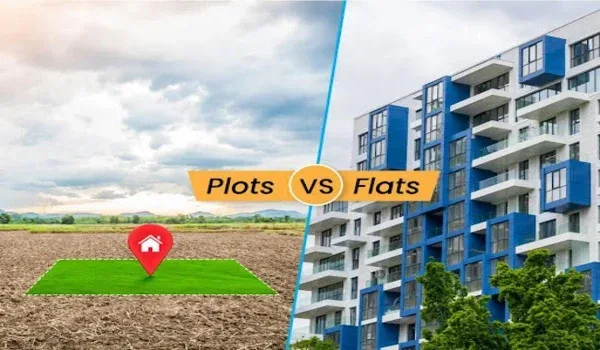
A common question for buyers eyeing the Devanahalli corridor in North Bengaluru is whether to put their money into a plot of land or a ready apartment. Both can be sound, but they suit very different goals. A plot is raw land you control and build on later; an apartment is a finished home you can live in or rent from day one. The right answer depends on your budget, your timeline, your appetite for effort and what you want the asset to do for you. This 2026 guide compares the two honestly across price, appreciation, financing, upkeep, income and approvals.
Treat every figure here as indicative. Plot and apartment prices, loan terms and approval rules change with the market and the specific property, so use this as a framework and confirm the current numbers with the developer, a chartered accountant or lawyer and your bank before you commit.
Plots vs Apartments — Side by Side
The table below sets the two options against the factors that matter most. These are general positions for the Devanahalli corridor, not an offer; your actual terms depend on the specific property, its approvals and the market.
| Factor | Plot | Apartment |
|---|---|---|
| Price per sq ft | Indicative ~₹4,000–9,000/sq ft (varies by approval & location) | Indicative ~₹8,200–9,500/sq ft for new launches |
| What you get | Land only — you build later | A usable, finished home |
| Appreciation | Land appreciation potential, no depreciation of a building | Steadier; the building depreciates, land share is shared |
| Financing | Land / composite loan, usually lower LTV | Standard home loan, usually higher LTV |
| Maintenance | Minimal upkeep, but you secure the land yourself | Association upkeep, security & amenities |
| Rental income | None until you build | From day one if ready |
| Due diligence | Approvals & title checks critical | RERA, developer track record, agreement |
Bottom line: a plot is a control-and-appreciation play that needs more effort and due diligence; an apartment is a ready, income-capable home with shared upkeep. The rest of this guide unpacks each factor.
1. Price & Entry Cost
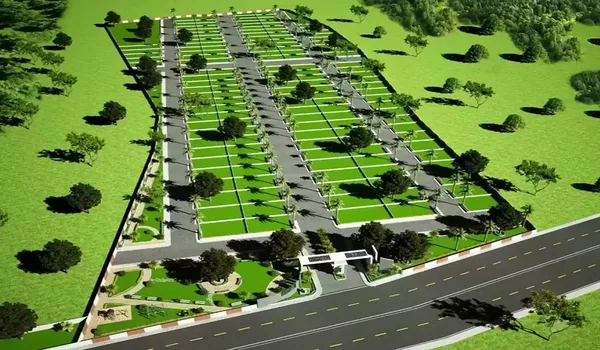
Price is where the two diverge first, and a headline figure can mislead. Plot rates on the Devanahalli belt are indicative ~₹4,000–9,000/sq ft, swinging widely with approval status — BMRDA, DTCP or panchayat — and exactly where the plot sits. New-launch apartments run around an indicative ~₹8,200–9,500/sq ft. A small plot can carry a lower sticker price than a finished flat, but remember a plot is only land; you still fund construction, approvals and fit-out before you have a home. An apartment price already bundles a usable, built residence.
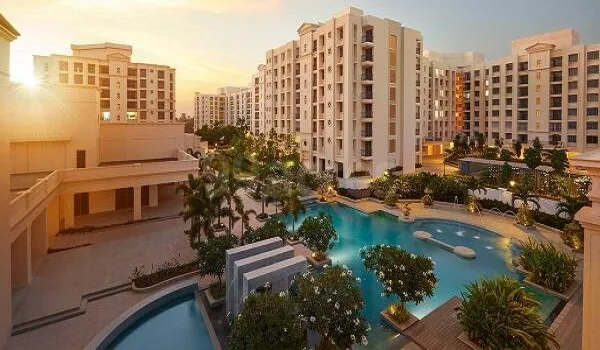
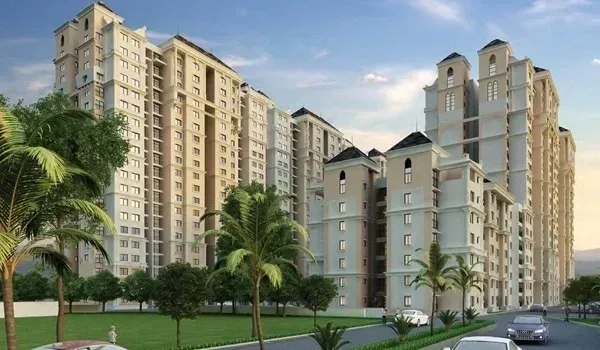
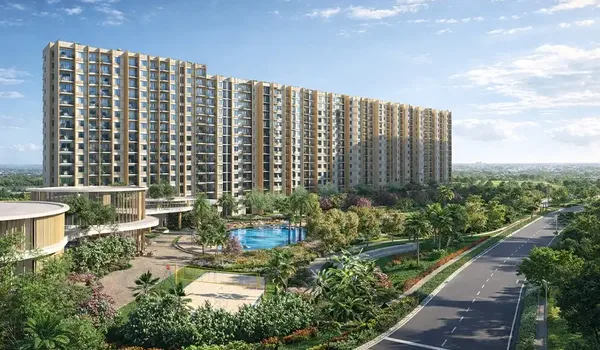
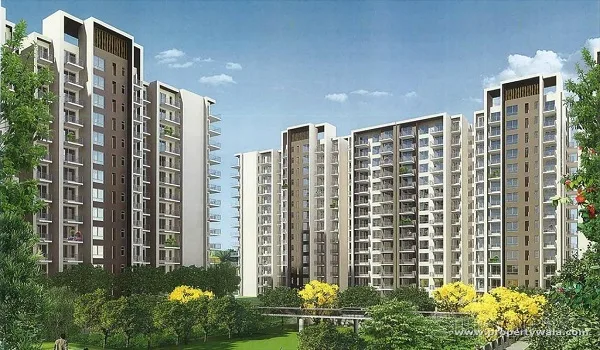
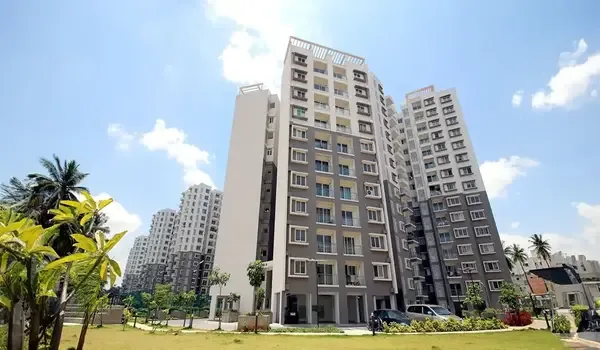
For the apartment side, our project Prestige Devanahalli at Poojanahalli is an apartment development whose 1 BHK starts from about ₹61.75 L at a base of roughly ₹9,500/sq ft — a finished home, not a plot. You can compare layouts and budgets by reviewing the floor plans and the price list, and weigh the corridor more broadly on the Devanahalli property price trends page. Treat all rates as indicative and confirm locally.
Bottom line: a plot can have a lower entry sticker but costs more to turn into a home; an apartment price already includes a finished, usable residence.
2. Appreciation & Resale
For growth, land has a particular edge. Well-located, approved plots are limited in supply, and land does not depreciate the way a building does, so in a developing corridor like Devanahalli — beside the airport and the KIADB Aerospace Park — plots carry real appreciation potential. An apartment can still appreciate, but part of what you own is a structure that ages, while the land beneath is shared across all owners.
- Plot upside: scarce approved land in a growing belt can appreciate strongly, with no building to depreciate.
- Apartment value: can rise too, and unlike a plot it earns rent while you hold it, but the building component ages over time.
- Resale: a clear-title, approved plot is liquid to land buyers; a ready apartment is liquid to home buyers and tenants.
Bottom line: plots lean toward stronger land appreciation if title and approvals are clean; apartments offer steadier value plus rent. Past trends do not guarantee future returns, so treat figures as indicative.
3. Financing & Loans
How you borrow differs sharply between the two. Banks typically offer a lower loan-to-value on a plot or land loan than on an apartment home loan, may ask for a larger down payment, and often require you to begin construction within a set period. A composite plot-plus-construction loan blends land and build funding but comes with its own conditions and disbursement stages. An apartment home loan is the more standard, widely available product and usually funds a higher share of the cost.
Because terms vary by lender and by the plot's approval status, the only reliable figures are the ones your own bank quotes. Confirm the loan-to-value, tenure, down payment and any construction-start rules with your bank before you commit, and remember that tax treatment of land versus a self-occupied home can differ too — check that with a chartered accountant.
Bottom line: apartment home loans are usually easier and fund a higher share; plot loans often mean a lower LTV and stricter conditions, so confirm with your bank.
4. Maintenance, Security & Amenities
Day-to-day living and upkeep look very different. A bare plot needs little maintenance, but you alone are responsible for securing it, fencing it and guarding against encroachment until you build. There is no clubhouse, gym, pool, lift or shared garden — those come only when you construct and pay for them yourself.
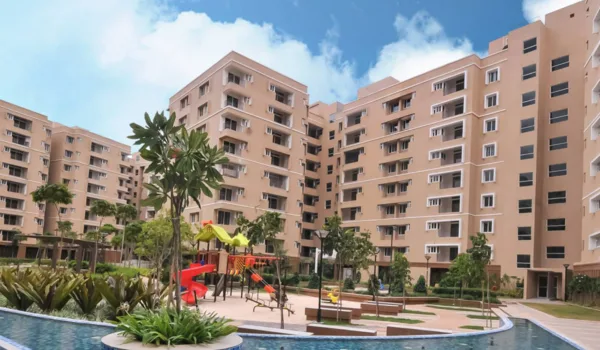
An apartment in a gated community comes with security, an owners' association and ready amenities, with upkeep funded through monthly maintenance charges shared across residents. Established developers such as Prestige Group typically deliver clubhouse facilities, landscaped spaces and managed security as part of the community, which is the convenience you trade for a recurring maintenance fee.
Bottom line: a plot means minimal upkeep but self-managed security and no shared amenities; an apartment bundles security and amenities at the cost of a monthly maintenance charge.
5. Rental Income & Use
Cash flow is one of the clearest separators. A bare plot earns no rental income until something is built on it, so your money sits in the land working only through appreciation or future construction. An apartment, by contrast, can be rented from the day it is ready, turning the asset into income while you hold it. For the corridor, indicative rental yields sit around ~3–4.5%, though the figure depends on the unit, location and market.
- Plot use: hold for appreciation, build a home later, or develop when finances allow — but no income in the meantime.
- Apartment use: live in it now or rent it out immediately, with the option to sell a tangible, occupied asset later.
- Effort: a plot needs your time to build; an apartment is ready to use or let with no construction effort.
If you want a ready home or rent, browse the 1 BHK apartments in Devanahalli; if land or villa-plots are your goal, see the villas and plots near Devanahalli page.
Bottom line: apartments earn rent from day one and need no build effort; plots earn nothing until built but give you full control over what you eventually create.
6. Which Should You Choose?
There is no single right answer; the better choice follows your goal. Pick a plot if you want land appreciation, full control over what you build, no construction-quality risk from a developer, and you are comfortable doing the due diligence and waiting before there is any income. Pick an apartment if you want a usable home now, rental income from day one, ready amenities and security, and a lower-effort, more standard financing path.
- Lean plot if: you want control and appreciation, can self-build later, and will do the approval and title homework.
- Lean apartment if: you want a ready home or immediate rent, prefer shared amenities and security, and want an easier loan.
- Either way: for a plot, verify approvals and check the K-RERA portal for RERA-registered plotted developments, confirm clear title, and consult a lawyer; for an apartment, verify the developer, the agreement and every cost.
Bottom line: match the asset to your timeline, budget, income needs and appetite for effort, then verify approvals, title and costs — with a CA or lawyer where it matters — before you commit.
Frequently Asked Questions
1. Is a plot or an apartment cheaper in Devanahalli?
It depends on what you buy and where. Plot rates on the Devanahalli corridor are indicative ~₹4,000 to 9,000 per sq ft depending on approval status and location, while new-launch apartments sit around an indicative ~₹8,200 to 9,500 per sq ft. A small plot can have a lower headline price than a finished flat, but a plot is only land — you still pay to build, while an apartment price already includes a usable home. Treat all figures as indicative and confirm locally.
2. Do plots appreciate more than apartments in Devanahalli?
Land often shows strong appreciation potential in a developing corridor like Devanahalli because the supply of well-located, approved plots is limited, and a building depreciates over time while the land under an apartment is shared. That said, plot gains depend heavily on clear title, approvals and location, and an apartment can still appreciate while earning rent. Past trends do not guarantee future returns, so treat figures as indicative and verify locally.
3. Is it harder to get a loan for a plot than an apartment?
Often, yes. Banks usually offer a lower loan-to-value on a plot or land loan than on an apartment home loan, sometimes ask for a higher down payment, and may require you to start construction within a set period. A composite plot-plus-construction loan has its own conditions. Terms vary by lender and by the plot's approval status, so confirm the exact loan-to-value, tenure and rules with your bank before you commit.
4. Can I earn rental income from a plot?
A bare plot generally earns no rental income until you build on it, so your money sits in the land waiting for appreciation or future construction. An apartment, by contrast, can be rented from the day it is ready, turning the asset into income while you hold it. If steady cash flow matters to you, an apartment suits better; if you are buying land to hold or self-build later, a plot fits that goal.
5. Is Prestige Devanahalli a plot or an apartment project?
Prestige Devanahalli is an apartment project, not a plotted development. It is a pre-launch project at Poojanahalli on NH-44 offering 1, 2 and 3 BHK homes, with the 1 BHK from about ₹61.75 L at a base of roughly ₹9,500 per sq ft and possession from December 2030. As an apartment, it comes with gated-community amenities, security and an owners' association rather than a self-build plot.
6. Which is a better investment in Devanahalli, plot or apartment?
Neither is better in the abstract; it depends on your goal. A plot leans toward land appreciation and full control with no rental income until built and more due diligence on approvals and title. An apartment leans toward immediate use, rental income and ready amenities with maintenance via an association. Match the choice to your timeline, budget and appetite for effort, treat all figures as indicative, and consult a CA or lawyer before you buy.
Conclusion
Plots and apartments are two honest routes to building wealth on the Devanahalli corridor, but they serve different goals. A plot offers land appreciation potential, full control over what you build and no developer-quality risk, in exchange for more due diligence, a tougher loan, self-managed security and no income until you build. An apartment offers a ready home, rental income from day one, shared amenities and security, in exchange for a maintenance charge and a building that ages. Neither is better in the abstract; the right one fits your timeline, budget, income needs and how much effort you want to put in.
Decide what matters most — control and appreciation, or convenience and immediate use — then verify approvals, title, financing and every cost before you sign. With that settled, you can shortlist the right kind of property, book a site visit and move ahead with a plan that holds up over the full purchase.
Prestige Devanahalli Blog