Property Tax Guide for Apartments in Devanahalli 2026
Published 01 Jul 2026 · Last updated 01 Jul 2026
Once you own a flat on the Devanahalli corridor in North Bengaluru, property tax becomes an annual cost you carry for as long as you hold the home. It is the recurring civic charge that funds local services — roads, drains, streetlights and waste collection — and it is entirely separate from the one-time stamp duty and registration charges you pay when you register the flat, and separate again from your monthly society maintenance. This 2026 guide explains who levies property tax here, how it is worked out, how to pay it, and what a buyer of a new or pre-launch flat should expect.
Treat every rate and example below as indicative. Devanahalli straddles more than one local jurisdiction, the applicable formula and rate depend on which body governs a given project, and the numbers change over time. Use this as a framework and confirm exact tax with BBMP, your gram panchayat or a CA before you rely on any figure.
Property Tax at a Glance
The table below summarises how apartment property tax works on the Devanahalli belt. These are general pointers, not an assessment of any specific flat; your actual body, rate and due dates depend on the project's jurisdiction.
| Item | What to Expect (Indicative) |
|---|---|
| Collecting body | BBMP, a gram panchayat, or a town municipal council — depends on the project's jurisdiction |
| What it is based on | Unit Area Value (per-sq-ft zonal rate × built-up area) or an annual rateable value — indicative |
| Frequency | Annual (payable each financial year) |
| Rebate | Early-payment rebate if the full year is paid within a stated window — indicative, confirm current terms |
| Where to pay | BBMP portal or ward office for BBMP areas; the panchayat office for gram panchayat areas |
| For a pre-launch flat | Payable after possession / handover, once the flat is assessed in your name |
Bottom line: property tax is an annual civic charge whose body, rate and due dates depend on jurisdiction — so identify the collecting authority for your project and confirm the figures with it.
What Is Property Tax & Who Levies It in Devanahalli?
Property tax is the annual charge a local authority levies on the owner of a building or plot to fund civic services in the area. For an apartment it is billed against your individual flat, based on its area and use, and the liability follows ownership — whoever owns the flat in a given year is responsible for that year's tax. It is not a one-time cost and it does not stop after registration; it recurs every financial year for as long as you own the home.
The important point in Devanahalli is that the levying body is not the same everywhere. Parts of the corridor fall within the Bruhat Bengaluru Mahanagara Palike (BBMP) fringe, while other pockets are governed by a gram panchayat or a town municipal council. Each body has its own tax form, its own rate schedule and its own payment channel, so the first thing to establish for any project is which authority issues its property tax demand.
Bottom line: property tax is an annual owner-borne civic charge, and in Devanahalli the body that levies it — BBMP, gram panchayat or town municipal council — depends on where the project sits.
How Property Tax Is Calculated (UAV & Rateable Value)
Most urban bodies in Karnataka, including BBMP, use a Unit Area Value (UAV) method. In simple terms, a notified per-square-foot rate for the zone is multiplied by the built-up area of the flat, then adjusted for factors such as the type of use, the age of the building and whether the flat is self-occupied or rented out. The result is the annual tax, to which a cess or small additional component may be added. Gram panchayats may instead work from an annual rateable value rather than a UAV grid.
- Zonal rate: a per-sq-ft value set for the locality by the collecting body, revised periodically.
- Built-up area: the area of the flat the body uses for assessment, which is why your recorded area must be correct.
- Use and occupancy: self-occupied flats are often assessed differently from rented ones.
- Age factor: older buildings may attract a depreciation adjustment.
As a purely indicative illustration, if a zone rate were ₹3 per sq ft per month and a flat's assessable area were 1,000 sq ft, the base annual figure would be around ₹36,000 before any rebate, cess or adjustment — a made-up example only, not a quote for any Devanahalli project. The real rate, zone and formula differ by authority and year, so confirm the exact tax with BBMP, your gram panchayat or a CA.
Bottom line: tax is broadly zonal rate times assessable area, adjusted for use and age — but the exact rate and method vary by body, so treat any worked figure as indicative.
BBMP vs Gram Panchayat vs Town Municipal Jurisdiction
Because Devanahalli sits at the edge of Greater Bengaluru and its surrounding rural and town areas, the same broad locality can fall under different authorities from one project to the next. This matters practically: the tax form, the rate, the payment portal and even the property identifier are tied to whichever body governs the survey location. A flat inside the BBMP fringe is assessed and billed by BBMP, whereas one in a gram panchayat area is assessed and billed by that panchayat, and a town municipal council area follows its own council.
For a buyer this means you should not assume any single rate applies across Devanahalli. Ask the builder or seller which body issues the property tax demand for the specific project, and confirm it directly with that office. This jurisdiction question also runs alongside the paperwork you verify at purchase — the Khata and related records — which is why the Khata and property documents guide is worth reading in parallel, since the Khata and the tax record are maintained by the same local body.
Bottom line: the collecting body varies across Devanahalli, so identify whether a project is BBMP, gram panchayat or town municipal and confirm the tax record with that authority.
How to Pay Property Tax (Online, Offline & Rebate)
Once the collecting body is known, paying is fairly routine. In BBMP areas you can generally pay online each year through the official BBMP portal using the property or application number, or pay in person at the ward office or an authorised collection centre. In gram panchayat areas the tax is usually paid at the panchayat office against the assessment for your flat. Whichever channel you use, the process asks you to identify the property, compute or confirm the year's tax, pay, and download the receipt.
- Identify the property: use the property, application or Khata number the body has on record for your flat.
- Pay the full year: paying the whole year within the early window often earns a rebate; paying late usually attracts interest.
- Keep the receipt: save the paid receipt each year, as it is asked for during resale, loans and Khata transfer.
- Check the details: verify the owner name and area on the challan so you are not paying against a stale assessment.
Rebate windows, due dates and interest on arrears are set by each body and change from year to year, so confirm the current terms with the collecting authority rather than assuming last year's dates still hold.
Bottom line: pay annually through the BBMP portal or ward office, or the panchayat office, claim any early-payment rebate, and keep every receipt.
Property Tax for New & Pre-Launch Flats
Property tax on a flat generally becomes payable once the unit physically exists and is handed over, so during construction of a new project there is no flat-level property tax for a buyer to pay. After handover, the liability sits with the owner, and the flat has to be assessed and recorded with the collecting body in the owner's name before the annual cycle begins. In the first year this usually means the flat is entered into the tax roll, a property number is generated, and the initial assessment is raised.
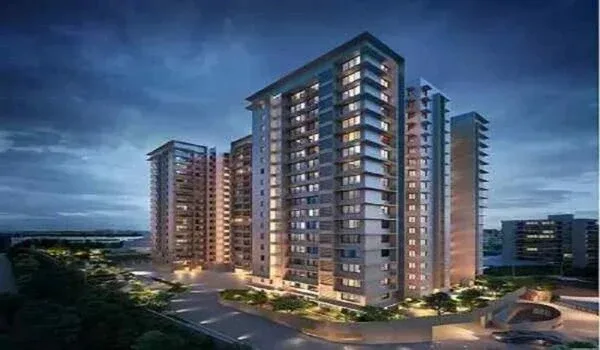
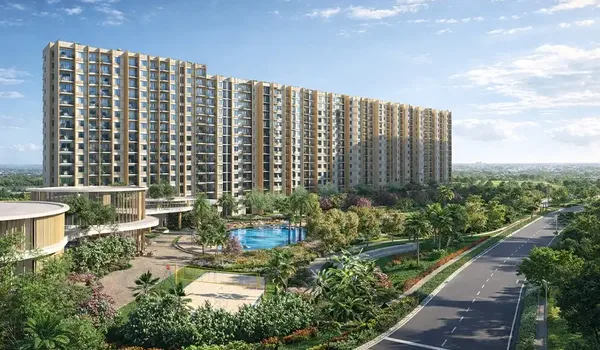
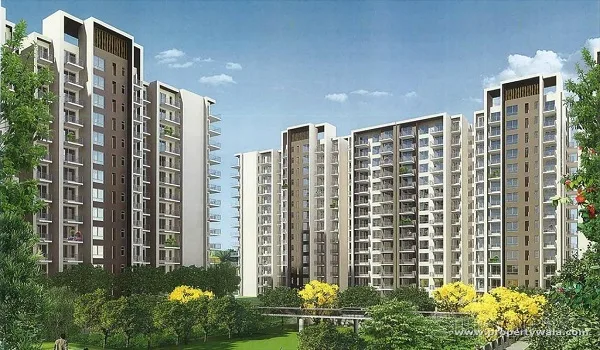
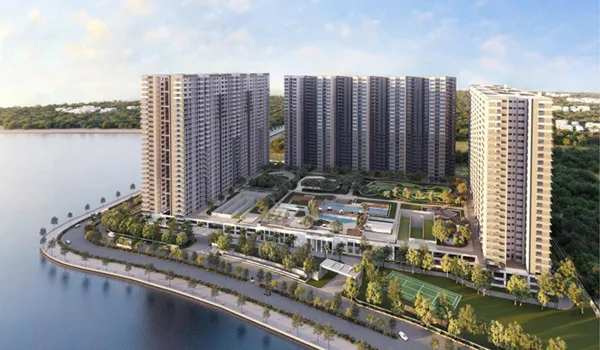
This is directly relevant to a pre-launch purchase. Prestige Devanahalli, by Prestige Group, is a pre-launch project at Poojanahalli with possession indicated from Dec 2030 and its K-RERA application in process, so a buyer today would not pay flat property tax during the build; it would begin after handover once the unit is assessed. When you plan the overall cost of ownership, you can review indicative pricing on the price list, and treat the future property tax as a recurring line to confirm with the local body at handover.
Bottom line: for a new or pre-launch flat, property tax starts after possession once the unit is assessed in your name — so budget it as a post-handover recurring cost and confirm the first-year process at handover.
Common Mistakes & How to Stay Compliant
Most property tax problems come from small record mismatches rather than the tax itself. A frequent error is continuing to pay against a previous owner's assessment after buying a resale flat, or paying on an outdated area after a change, which leaves the record inconsistent. Another is missing the rebate window or the due date and quietly accumulating interest. And because arrears and mismatches surface during a future sale, loan or Khata transfer, an unclear tax history can hold up a transaction later.
- Update ownership: after purchase, get the flat assessed and the tax record moved to your name with the collecting body.
- Check the area and use: confirm the assessed built-up area and occupancy status match reality.
- Pay on time: note the annual due date and rebate window for your specific body.
- Keep proof: retain each year's receipt so your tax history is clean for any future transaction.
These civic checks sit naturally within a wider pre-purchase review, so the things to check before buying an apartment list is a good companion here. For anything specific to your flat — the exact rate, the arrears position or a disputed assessment — confirm with BBMP, your gram panchayat or a CA rather than relying on a general figure.
Bottom line: keep ownership, area and payments current with the right body and retain your receipts, and confirm anything unusual with BBMP, your gram panchayat or a CA.
Frequently Asked Questions
1. What is property tax on an apartment in Devanahalli?
Property tax is the annual civic charge an owner pays to the local body for the flat, funding local services like roads, drains, streetlights and waste collection. It is completely separate from the one-time stamp duty you pay when you register the flat and from your society maintenance. In Devanahalli the collecting body may be BBMP, a gram panchayat or a town municipal council depending on where the project sits, so confirm which one applies and treat any rate here as indicative until verified with BBMP or your gram panchayat.
2. Who collects property tax in Devanahalli — BBMP or the gram panchayat?
It depends on the jurisdiction of the specific project. Devanahalli spans the BBMP fringe as well as gram panchayat and town municipal council areas, and the collecting body, the tax form and the rate all follow whichever authority governs that survey location. Ask the builder or seller which body issues the tax demand for the project and confirm it directly with that office, because the answer changes how and where you pay.
3. How is apartment property tax calculated?
Most Karnataka bodies use a Unit Area Value method, where a per-square-foot rate for the zone is multiplied by the built-up area and adjusted for factors such as usage, age and whether the flat is self-occupied or rented, giving an annual tax. Gram panchayats may instead use an annual rateable value. The exact rate, zone and formula vary by authority and change over time, so use any worked example only as indicative and confirm the current figure with BBMP, your gram panchayat or a CA.
4. How do I pay property tax and is there a rebate?
For BBMP areas you can usually pay online through the official BBMP portal using the property or application number, or pay in person at the ward office or an authorised centre; gram panchayat tax is typically paid at the panchayat office. Many bodies offer an early-payment rebate if you pay the full year within a stated window, and levy interest on late payment. Keep the paid receipt each year and confirm the current rebate window and due date with the collecting body.
5. Do I pay property tax on a pre-launch flat like Prestige Devanahalli?
Property tax on a flat generally becomes payable once the unit exists and is handed over, so for a pre-launch project where possession is years away you would not pay flat property tax during construction. After handover the liability sits with the owner, and the flat has to be assessed and recorded with the collecting body in your name. Because the project is pre-launch with possession indicated from Dec 2030, confirm the assessment and first-year tax process with the builder and the local body at handover.
6. What happens if I don't pay property tax on time?
Unpaid property tax usually attracts interest or a penalty, and arrears can build up and complicate a future sale, loan or Khata transfer because buyers and banks check that tax is clear. It is also common for people to keep paying against an old assessment after they buy or after built-up area changes, which leaves a mismatch. Keep the ownership and area details updated with the collecting body, pay each year on time, and confirm any dispute with BBMP, your gram panchayat or a CA.
Conclusion
Property tax is the steady annual cost of owning a flat in Devanahalli, and understanding it early keeps the numbers honest. It is separate from stamp duty and from maintenance, it is billed by whichever body governs the project — BBMP, a gram panchayat or a town municipal council — and it is generally worked out as a zonal rate applied to your assessable area and adjusted for use and age. The single most useful habit is to identify the correct collecting body for your project and confirm its rate, rebate window and due date directly.
For a new or pre-launch home the tax begins after possession, so plan it as a recurring line in your cost of ownership rather than an upfront charge. Keep the ownership record, area and payments current, retain each year's receipt, and treat every figure here as indicative — confirm the exact tax with BBMP, your gram panchayat or a CA so what you pay matches what the authority actually assesses.
Prestige Devanahalli Blog