Society and RWA Management Guide for Apartments in Devanahalli 2026
Published 18 Jul 2026 · Last updated 18 Jul 2026
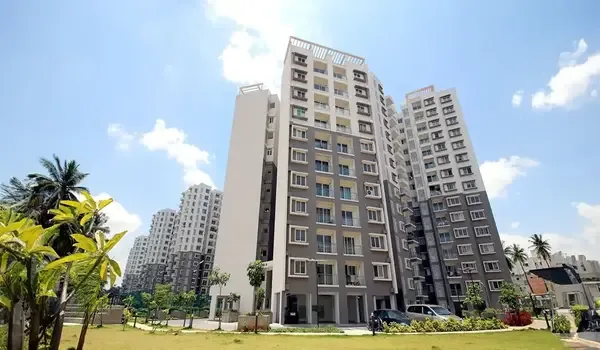
When you buy a flat in a large apartment complex in Devanahalli, you are not just buying a physical unit - you are joining a community governed by a Resident Welfare Association (RWA). The quality of RWA governance directly affects your daily life: how well the lifts are maintained, how quickly security issues are resolved, how fairly maintenance charges are levied, and what happens when disputes arise between residents. Yet most buyers spend little time understanding how apartment society management works before they sign the sale agreement.
This guide explains what an RWA is, how it is formed and governed, how maintenance funds are managed, and what rights residents have. It is written for buyers at Devanahalli projects who want to understand the governance layer of apartment living before purchasing. For maintenance charge budgets, see the apartment maintenance charges guide. For things to verify before purchasing, see things to check before buying. For possession and handover, see the possession and handover guide.
What is an RWA and Why It Matters for Apartment Buyers
A Resident Welfare Association (RWA) is the formal representative body of all flat owners and residents in an apartment complex. Legally, it can be registered under the Karnataka Societies Registration Act or, for condominium-type apartment complexes, under the Karnataka Apartment Ownership Act (KAOA). In practice, most large gated communities in Bengaluru use the Societies Act for ease of registration and administration.
The RWA matters to buyers for practical reasons:
- Maintenance quality: The RWA sets the maintenance budget, appoints housekeeping, security and lift maintenance vendors, and oversees service delivery. A well-managed RWA means well-kept common areas; a poorly-managed one means deferred maintenance and deteriorating infrastructure.
- Charge fairness: The RWA collects monthly maintenance charges and sinking fund contributions from all flat owners. It decides how these are spent. Transparent management protects owners from misuse; opaque management leads to disputes and legal action.
- Community decisions: Decisions about parking policy, pet rules, visitor access, use of common spaces, and community events are made by the RWA through general body resolutions. Residents who are not engaged with their RWA have limited influence over these decisions.
- Resale value: A well-maintained complex with a functional RWA commands a better resale price and is easier to sell. Neglected complexes with maintenance backlogs and pending litigation are discounted by buyers.
For large projects in the Devanahalli corridor with 500-2000+ flats, the RWA is effectively a small organization managing significant annual budgets (often ₹50 lakh to ₹5 crore per year across all units) and complex multi-vendor service contracts.
How a Resident Welfare Association is Formed
The formation of an RWA at a new apartment complex typically follows a phased process tied to possession and handover:
Phase 1 - Builder-managed interim period: When the first flats are handed over, the developer typically runs an interim Apartment Owners' Association (AOA) or Maintenance Committee. During this period the builder or its facility management partner manages common area services and collects maintenance charges. This interim arrangement is governed by the association deed or builder's bye-laws, which are typically provided at possession.
Phase 2 - Resident-led formation: Once a sufficient number of flats are occupied (commonly 50% or more, but this varies by project), residents organize to form and register an RWA. This involves: electing a founding general body, drafting and adopting bye-laws, applying for registration under the Karnataka Societies Registration Act with the District Registrar's office (or under KAOA), and obtaining the registration certificate.
Phase 3 - Handover from builder: After RWA registration, the builder is required to hand over: the common areas and facilities, the maintenance corpus or sinking fund accumulated from residents, all service contracts and warranties for common equipment (lifts, DG sets, water treatment plant, etc.), and the technical documents (approved building plans, completion certificate, occupancy certificate). Under RERA, builders must complete this handover within the period specified by the authority - typically within one to three years of project completion.
Key requirement under RERA: The builder cannot indefinitely manage the society and collect maintenance - RERA mandates handover to the residents' association. Buyers should ask the developer at the time of booking what the expected timeline for RWA formation and full handover is.
RWA Roles, Elections and Bye-laws
Once formed, an RWA is governed by its registered bye-laws, which define the organizational structure, the roles and powers of the executive committee, and the process for elections, meetings, and amendments.
Membership: Every flat owner is typically a member of the RWA by virtue of owning a flat in the complex (membership fee is nominal). Membership gives the right to vote in elections, attend general body meetings, and stand for election to the executive committee.
Executive Committee (EC): The EC is the day-to-day governing body, typically comprising 7-15 members elected from the general membership. Standard roles include President, Secretary, Treasurer, and several committee members. The EC meets monthly or as needed to make operational decisions.
Elections: EC elections are held at the Annual General Meeting (AGM) or at the end of the elected term (commonly two years). All eligible members can vote; elections are typically by show of hands or secret ballot per the bye-laws. The bye-laws specify the procedure for nominations, voting, disputes, and a minimum quorum for elections to be valid.
General Body Meetings: The Annual General Meeting (AGM) must be held once a year. It is the forum for: presenting and approving the annual accounts and budget, electing or re-electing EC members, making major decisions (revising maintenance charges, undertaking large capex, amending bye-laws), and raising member grievances. Extraordinary General Meetings (EGMs) can be called by the EC or by a specified percentage of members for urgent matters.
Bye-laws: The bye-laws are the constitutional document of the RWA. They define: the purpose of the association, membership rights and duties, EC composition and powers, meeting procedures and quorum requirements, maintenance charge structure and revision process, sinking fund policy, dispute resolution process, and grounds for disqualification of EC members. Buyers should ask to review the developer's draft bye-laws at the time of purchase, as these bind the community after registration.
Maintenance Fund Management and Financial Transparency
The largest operational function of an RWA is managing the community's finances: collecting maintenance charges, managing cash flow, paying vendors, and maintaining the sinking fund corpus.
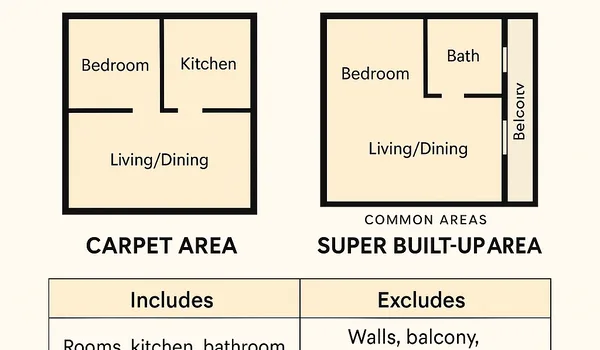
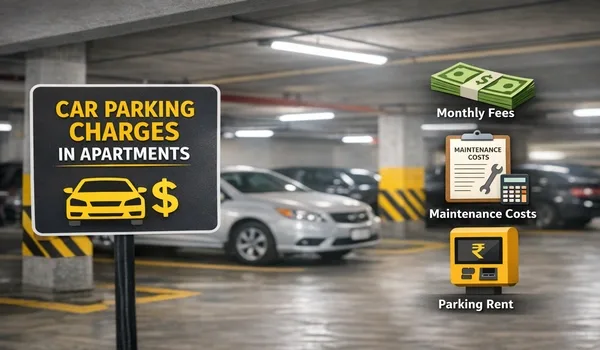
Maintenance charge structure: Charges are typically levied per square foot of carpet area per month, or as a flat per-unit charge. They cover: housekeeping, security (guards and surveillance), lift maintenance, power for common areas, water supply and sewage, garden maintenance, club facility operations, and an administrative overhead. Large complexes with more amenities (pool, gym, clubhouse) have higher maintenance costs. See the maintenance charges guide for typical per-sqft ranges in Devanahalli.
Sinking fund: A separate corpus collected over and above monthly maintenance, reserved for major capital expenditure (lift overhaul, roof waterproofing, structural repair, replacement of DG sets or water treatment plant). The sinking fund is typically ₹1-3 per sqft per month, held in a separate bank account and not used for routine maintenance. The bye-laws should define the permissible uses of the sinking fund and the approval process for withdrawals.
Financial transparency standards: A well-managed RWA should maintain:
- Separate bank accounts for the maintenance fund and sinking fund
- Monthly income and expenditure statements made available to all members
- Annual accounts audited by a chartered accountant and presented at the AGM
- All vendor payments by bank transfer with invoices retained and available for inspection
- A published annual budget so members can assess whether charges are well-planned
Defaulters: Residents who do not pay maintenance charges are typically denied access to certain amenities (pool, club) or additional services. The RWA can recover arrears through a civil suit. The bye-laws specify the penalty structure for late payment and the process for recovery.
GST on maintenance: If total maintenance charges collected from a resident exceed ₹7,500 per month per flat, the RWA is required to levy 18% GST on the charge. Many large complexes in Devanahalli will cross this threshold - buyers should factor this in when budgeting. The RWA must obtain GST registration, file returns, and issue GST invoices to members above the threshold.
Dispute Resolution and Your Rights as a Resident
Disputes in apartment complexes fall into two broad categories: disputes between residents (parking, noise, encroachment), and disputes between residents and the RWA/EC (charge disputes, service quality, fund mismanagement).
Internal resolution: The RWA bye-laws typically provide a dispute resolution process. Most complaints should first be raised with the EC in writing. The EC is expected to respond within a specified period (commonly 15-30 days). For resident-to-resident disputes, the EC acts as a mediator.
General body escalation: If the EC does not resolve a complaint, any member can raise it at the next AGM or call for an EGM with the support of 10-25% of members (per the bye-laws). A general body resolution passed at a quorate meeting overrides EC decisions.
External bodies:
- Consumer Forum: Deficiency in common area services (security, water, lift downtime) by the builder or RWA can be raised at the District Consumer Disputes Redressal Commission under the Consumer Protection Act 2019.
- RERA: If the builder has failed to hand over the common areas, maintenance corpus or completion certificate in violation of RERA commitments, a complaint can be filed with K-RERA. See rera.karnataka.gov.in.
- Registrar of Societies: For issues with RWA governance (invalid elections, non-compliance with bye-laws, financial irregularities), residents can approach the District Registrar of Societies under which the RWA is registered.
- Civil Court: For financial fraud, injunctions, or recovery of funds, civil legal action through a qualified property lawyer is the route of last resort.
Key resident rights:
- Right to receive a maintenance charge receipt for every payment
- Right to attend the AGM and vote on resolutions
- Right to inspect the RWA's accounts and vendor contracts (as a member)
- Right to stand for election to the EC (subject to eligibility under the bye-laws)
- Right to call for an EGM with sufficient co-signatories
- Right to be informed of any increase in maintenance charges before it takes effect
What to Ask About Society Management Before Buying in Devanahalli
For buyers at Prestige Devanahalli or any new project in the Devanahalli corridor, ask these questions before signing:
| Question | Why It Matters |
|---|---|
| What is the monthly maintenance charge per sqft of carpet area? | Helps you budget total housing cost; compare against similar projects |
| What does the maintenance charge cover? What is excluded? | Some charges exclude power backup, water tanker supply, or club charges - these add up separately |
| Is there a separate sinking fund? What is the monthly contribution? | Absence of a sinking fund means major repairs will be funded by special levies later |
| Who manages maintenance currently - builder or RWA? | Builder-managed maintenance is common at early possession; ask when RWA handover is expected |
| When does the builder plan to hand over common areas to the RWA? | Delayed handover means residents cannot control spending or change vendors easily |
| What are the draft bye-laws? Can I review them? | Bye-laws govern your rights and duties as a member - review the pet policy, parking policy, and charge revision process |
| What is the parking allotment process? Is covered parking included in the sale price? | Parking disputes are among the most common in large complexes; confirm allotment in writing |
| Are there any pending RERA complaints or consumer court cases against the builder? | A pattern of complaints is a risk indicator for future quality or delivery issues |
The current price page has details on unit configurations and pricing. For a full pre-purchase checklist, see things to check before buying. Always verify the project on the K-RERA portal before booking.
Frequently Asked Questions
1. Is it mandatory to have an RWA in a Bengaluru apartment complex?
There is no strict legal mandate to form an RWA, but RERA and the Karnataka Apartment Ownership Act recommend formation; without an RWA, residents have no legal entity to collect maintenance, manage services, or represent the community - making one effectively necessary for any functioning gated community.
2. Who controls the maintenance charges before the RWA is formed?
Before RWA formation, the builder manages and collects maintenance through an Association of Apartment Owners (AOA) or interim body; under RERA, builders must hand over the common areas and maintenance corpus to the residents' association within a specified period after possession.
3. Can the RWA increase maintenance charges without residents' approval?
No - a validly adopted RWA bye-law requires a general body resolution (usually by majority vote) to revise maintenance charges; any unilateral increase by the executive committee without a general body vote can be challenged by residents.
4. What is the sinking fund and who controls it?
The sinking fund is a reserved corpus for major future repairs (lifts, waterproofing, structural work); it is collected monthly per flat and held in a separate bank account controlled by the RWA executive committee, with withdrawal requiring a committee resolution and audited accounts.
5. What are my rights if the RWA is mismanaging funds?
Residents can demand an extraordinary general meeting with 10-25% of member support (per bye-laws) to seek an independent audit; if fraud is involved, residents can file a police complaint, approach consumer court, or approach the Registrar of Societies.
6. When does Prestige Devanahalli hand over society management to residents?
Prestige Group typically forms an interim apartment owners' association at possession and transitions full management - including maintenance corpus, service contracts and common areas - to the elected RWA within 12-24 months after a majority of residents take possession; confirm the handover timeline with the developer at booking.
Conclusion
The RWA is the governance layer of apartment living, and it affects daily quality of life more directly than most buyers anticipate. A functional, transparent RWA with well-drafted bye-laws, proper financial management, and engaged resident participation makes a large apartment complex a well-maintained community. Understanding how an RWA works, what its rights and limits are, and what to ask the builder before buying gives you the information to make a better decision and to participate effectively once you are a resident.
Before purchasing in any Devanahalli project, review the draft bye-laws, ask about the maintenance corpus and sinking fund, and confirm the timeline for RWA formation and builder handover. These governance details are as important to long-term value and comfort as the apartment's carpet area or amenity list.
Prestige Devanahalli Blog