Booking Cancellation and RERA Refund Rights for Pre-Launch Flats in Devanahalli 2026
Published 23 Jul 2026 · Last updated 23 Jul 2026
Pre-launch apartment bookings in Devanahalli offer the advantage of early pricing, but they also carry the risk that your personal or financial circumstances may change before the project is delivered. Whether a buyer needs to cancel a booking due to a job change, a shift in investment plans, or dissatisfaction with how the project is progressing, the financial outcome depends heavily on the documents signed at the time of booking and on the RERA protections that apply to the transaction.
This guide explains when and why buyers cancel pre-launch bookings, what forfeiture clauses in booking forms and allotment letters say, how builder-initiated and buyer-initiated cancellations differ, what protections RERA provides when the builder is at fault, and how to minimise loss if you decide to exit a pre-launch booking.
Why Buyers Cancel a Pre-Launch Booking and When It Happens
Cancellations of pre-launch apartment bookings fall into two broad categories: buyer-driven exits (where the buyer decides to pull out) and builder-driven events (where the builder delays, changes the project or fails to perform). Each has a very different financial outcome.
Common reasons buyers cancel a pre-launch booking:
- Change in financial situation: job loss, salary reduction, failure to get a home loan approval (particularly if the home loan was not pre-approved before booking), or a higher-priority financial commitment.
- Change in life plans: relocation to another city, change in family size requirements (needing a larger or smaller unit), or divorce.
- Better opportunity elsewhere: a competing project launches at a significantly lower price or with better features in the same micro-market.
- Concern about project progress: a delay in the builder obtaining all approvals, slow construction progress, or negative reviews from early buyers in the same developer's other projects.
- Dissatisfaction with changes to the project: the builder modifies the floor plan, reduces specifications, changes the club-house or amenity layout, or reduces parking allotment after booking.
The financial consequence of cancelling depends almost entirely on which stage the booking has reached at the time of cancellation. The key milestones are: token/booking amount payment (before the allotment letter), receipt of the allotment letter, signing of the agreement to sell, and each instalment payment under the payment plan.
What Your Booking Form and Allotment Letter Say About Cancellation
The cancellation terms for a pre-launch booking are primarily found in two documents: the booking form (also called the expression of interest form or EOI form) and the allotment letter. Both documents must be read carefully before signing.
Key clauses to look for in the booking form:
- Forfeiture clause: states the amount the builder will retain if the buyer cancels. Typically expressed as a percentage of the booking amount or of the total consideration. Most builders retain 2 to 10 per cent of the total sale price on a buyer-initiated cancellation.
- Refund timeline: the number of days within which the builder will return the balance amount (after forfeiture) following a cancellation. This is distinct from the RERA-mandated 45-day refund timeline that applies when the builder is in breach.
- Conditions for cancellation: some booking forms require the buyer to give written notice of cancellation, specify an address for notice, and may require the original booking receipt to be surrendered.
- Assignment clause: many booking forms allow the buyer to transfer or assign the booking to a third party (subject to a transfer fee and builder approval) as an alternative to outright cancellation. This is important: if you can find a transferee, you may avoid forfeiture altogether.
The allotment letter typically reiterates and amplifies the booking form's cancellation terms. It may also specify that the allotment is subject to the buyer signing the agreement to sell within a specified period - if the buyer does not sign the ATS, the builder may treat this as a cancellation. For a full explanation of what an allotment letter must contain and how it relates to the agreement to sell, see the allotment letter and agreement to sell guide.
Builder-Initiated Cancellation vs Buyer-Initiated Cancellation
The financial outcome of a cancellation differs sharply depending on who initiates it. RERA provides significant protection to buyers when the builder is at fault, and very limited statutory protection when the buyer chooses to exit.
| Situation | Who Initiates | Typical Financial Outcome | RERA Coverage |
|---|---|---|---|
| Buyer cancels after booking, before agreement to sell | Buyer | Builder forfeits 2-5% of booking amount; balance refunded per booking form timeline | Minimal - governed by booking form terms, not RERA Section 18 |
| Buyer cancels after signing agreement to sell | Buyer | Builder forfeits 2-10% of total consideration (not just booking amount); balance refunded per ATS timeline | Section 11(5): builder must give notice and follow ATS cancellation procedure |
| Builder delays possession beyond agreed date | Builder (in breach) | Full refund + interest from date of payment, OR delay compensation if buyer stays | Section 18: full refund with interest; buyer's right to exit at any time |
| Builder makes major changes to project (floor plan, specifications) | Builder (in breach) | Buyer can demand full refund + interest; builder cannot legally enforce forfeiture | Section 14: buyer can exit if material changes made without consent |
| Builder cancels for buyer non-payment (instalment default) | Builder | Builder must give written notice; if buyer cures default, allotment reinstated; otherwise cancellation per ATS terms | Section 11(5): builder must follow RERA procedure for cancellation on default |
The key takeaway from the table is that if the builder is at fault (delay, material changes, project abandonment), RERA gives the buyer a strong right to exit with a full refund plus interest. If the buyer initiates the cancellation (for personal reasons), the forfeiture clause in the booking form or ATS governs, and RERA provides limited protection - though it does ensure the builder follows a proper procedure and does not arbitrarily inflate deductions.
RERA Protections When the Builder Delays or Breaches the Agreement
Under RERA (Section 18), if a builder fails to give possession of the apartment by the agreed possession date, the buyer has two options:
- Exit the project and receive a full refund of all amounts paid, plus interest at the rate prescribed by the state government (typically SBI MCLR + 2% per annum), from the date of each payment.
- Continue with the project and receive delay compensation (interest on the delayed period) without withdrawing from the booking.
The buyer can choose either option at any time after the possession date has passed - they do not need to wait for the builder to acknowledge the delay. The refund (if the buyer exits) must be paid by the builder within 45 days of the buyer making a written demand.
Other RERA breach scenarios that give the buyer a right to exit with a full refund:
- Material changes to the project: under Section 14, if the builder makes any structural change to the building, layout or specifications that was not consented to by the allottees, each affected buyer has the right to withdraw and receive a full refund.
- Builder insolvency or project abandonment: if the builder is unable to complete the project and an insolvency or NCLT process is initiated, buyers can file claims as creditors - RERA registration provides an additional avenue to pursue recovery.
- Fraud or misrepresentation: if the builder made materially false statements about the project in the RERA registration, the buyer can approach the RERA authority to seek cancellation and refund.
For a full guide to RERA protections, how to file a complaint, and what relief the RERA authority can grant, see the RERA buyer rights and complaints guide. Verify the project's current registration status and check for any filed complaints on the K-RERA portal before making any decision about your booking.
How to Minimise Loss if You Need to Exit a Pre-Launch Booking
If you have decided to exit a pre-launch booking for personal reasons (not because the builder is in breach), consider the following steps to minimise financial loss:
- Check the assignment clause first: before applying for cancellation, check whether the booking form or allotment letter allows you to transfer the booking to another buyer. An assignment means you sell your "booking position" to someone else, ideally recovering what you paid (or more, if the project has appreciated). The builder typically charges a transfer fee (0.5 to 2 per cent of the sale price). If the market has moved up since your booking, assignment avoids forfeiture and may generate a small profit.
- Negotiate the forfeiture amount: if you have maintained a good relationship with the builder's team and have a genuine reason for cancelling, some builders will negotiate a lower forfeiture amount, particularly if they have a queue of buyers for that unit type and can easily re-sell your unit.
- Time the cancellation: if you are in the early stages (before signing the ATS), the forfeiture amount is typically lower (based on the booking form) than after the ATS is signed (where the ATS cancellation clause may specify higher deductions). If you know you want to exit, act sooner.
- Get legal advice: if the forfeiture amount is significant, consult a property lawyer before cancelling. In some cases, minor builder delays or specification changes may give you a RERA-based exit right that avoids forfeiture - a lawyer can assess whether this applies to your situation.
- Document everything in writing: submit your cancellation request in writing (email plus registered post), specify the amount you expect to be refunded, and keep records of all payments made. Do not accept verbal assurances about the refund timeline.
For understanding what happens at each stage of the possession and handover process - and what to do if the builder falls short at handover - see the apartment possession and handover guide.
Cancellation Policy for a Pre-Launch Flat like Prestige Devanahalli
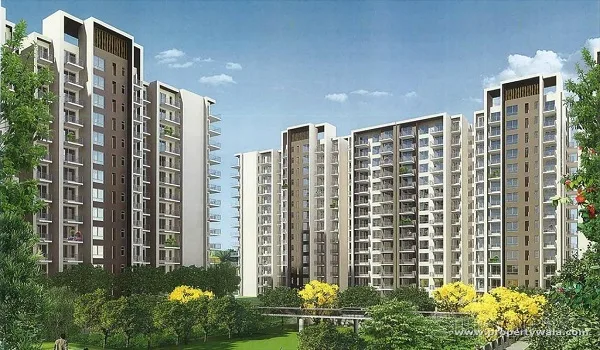
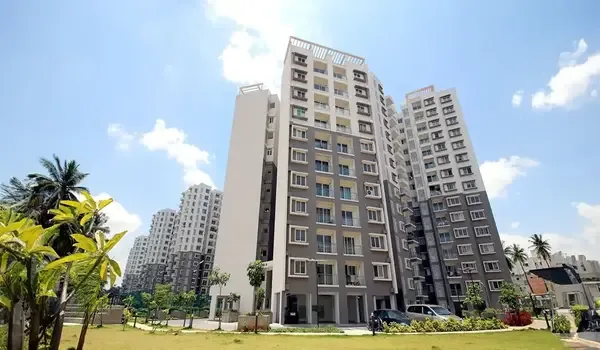
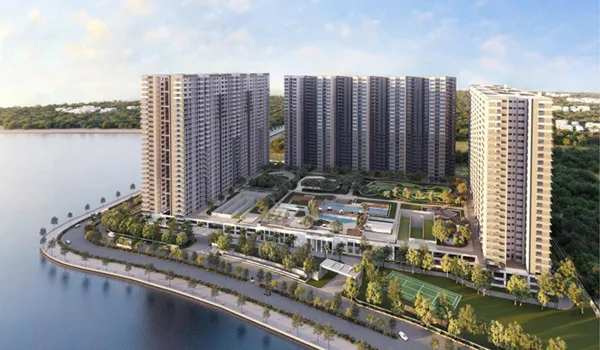
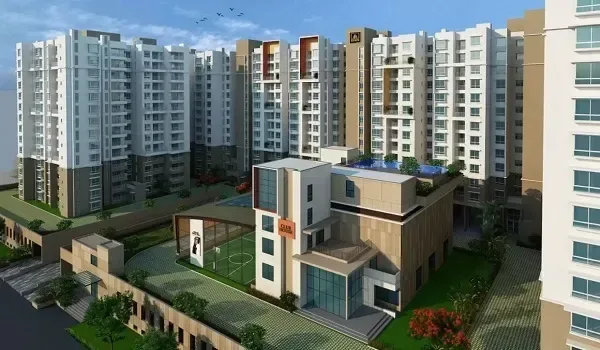
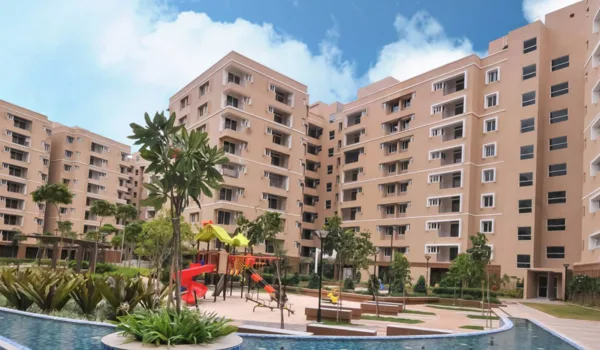
Prestige Devanahalli by Prestige Group is a pre-launch gated community on NH-44 in North Bengaluru, with 1 BHK, 2 BHK and 3 BHK apartments. The specific cancellation and refund terms for Prestige Devanahalli will be set out in the project's booking form and allotment letter, both of which must be provided to buyers before any payment is made.
When reviewing the cancellation policy for any pre-launch flat, including Prestige Devanahalli, confirm the following before paying a booking amount:
- The exact forfeiture amount or percentage on a buyer-initiated cancellation at each stage (before ATS, after ATS, after construction milestones).
- The refund timeline - how many days from the cancellation request will the refund be made?
- Whether assignment/transfer of the booking is permitted and on what terms.
- Whether the RERA registration number of the project is available - if it is not yet registered (pre-launch), confirm when registration is expected and request that the ATS be signed only after RERA registration is obtained.
For current unit prices, instalment payment schedules and what is included in the sale consideration, visit the Prestige Devanahalli price page. Understanding the full payment schedule in advance helps you assess what the financial exposure of a cancellation at each stage would be.
Frequently Asked Questions
1. Can I cancel a pre-launch flat booking at any time?
Yes, but the amount you recover depends on the stage, the forfeiture clause in your booking form and whether the agreement to sell has been signed - check the specific terms with your builder.
2. How much money can a builder deduct if I cancel?
Builders typically forfeit 2 to 10 per cent of the booking amount on a buyer-initiated cancellation; the exact deduction is in your booking form and allotment letter - confirm with a property lawyer before cancelling.
3. Does RERA protect buyers if the builder delays possession?
Yes - under RERA Section 18, if the builder fails to deliver possession by the agreed date, the buyer can seek a full refund with interest from the date of payment, or continue with the project and receive delay compensation.
4. What is the difference between forfeiting a booking amount and losing the full down payment?
A booking amount is the initial token (often 5-10 per cent of the sale price); once you sign the agreement to sell and pay a larger down payment, a cancellation may result in higher deductions - confirm the stages and deductions in writing before paying any instalment.
5. How long does a RERA refund take after the builder breaches the agreement?
RERA mandates that refunds on builder breach be paid within 45 days of the buyer's written request; timeline for buyer-initiated cancellation refunds depends on the terms of your agreement to sell.
6. Can I transfer or assign my pre-launch booking instead of cancelling?
Most builders allow assignment or transfer of a booking (with a transfer fee) as an alternative to cancellation - confirm the assignment terms and fee with your builder before deciding to cancel.
Conclusion
The financial outcome of cancelling a pre-launch apartment booking depends on who initiates the cancellation, what stage the booking has reached, and what your booking form and agreement to sell say. RERA provides strong protection when the builder is at fault - full refund with interest under Section 18 - but limited relief for buyer-initiated exits. Always check the assignment clause before cancelling, act before signing the agreement to sell if possible, and get legal advice when the sum at stake is significant.
Prestige Devanahalli Blog